
144. Can it be done again?
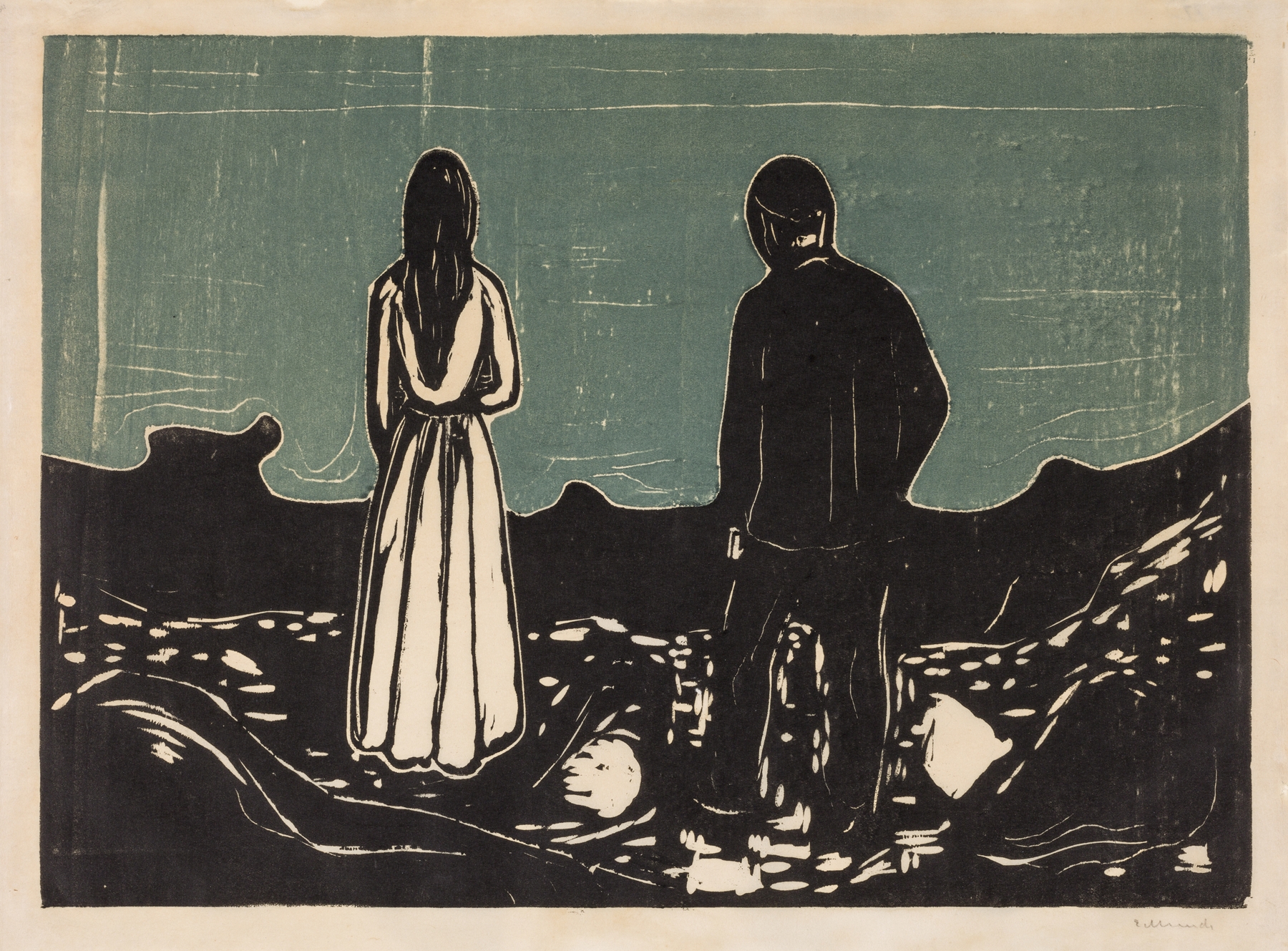
I.
“I want to do it again,” says Jay Kelly (played by George Clooney) early in the film of the same name. The actor has just completed an emotional scene and the director is satisfied. But Kelly wants another take. “I can do better.”
The tragedy of the actor is that he continually inhabits new characters, whose lives he can have captured in perfect detail, while real life offers no such chances. You make choices and you have to live with the consequences.
After running into a childhood friend, Kelly falls into a kind of identity crisis. It forces the megastar to reflect. Who am I really? Was my career worth it? Have I neglected the people around me? On an impulse, he decides to follow his daughter to Europe and pick up a lifetime achievement award while he’s at it. His entourage comes along.
Jay Kelly is the new film by Noah Baumbach, the director who previously made The Meyerowitz Stories and Marriage Story. Here too he paints a tragicomic portrait of a troubled figure whose life is on the verge of collapse.
Online I read mixed reactions, but I enjoyed it. Adam Sandler plays a beautifully melancholy role in this film, as Kelly’s manager. He effaces himself to make the movie star great and keep him relevant. And he never gets the validation he longs for.
And that line from Kelly: “All my memories are movies.” The actor has always lived for Hollywood and in doing so forgot to build anything outside the studio. When Baumbach shows a flashback to flesh out Kelly, he has him step from reality into another set to look at his younger self. Cleverly done.
Kelly is ultimately struck by the insight described in the film’s opening quote from Sylvia Plath: “It’s a hell of a responsibility to be yourself. It’s much easier to be somebody else or nobody at all.” That realization comes for him (and for his manager) a little too late.
II.
“A font has become a casualty in the war on woke,” headlines The New York Times. Early in 2023, Times New Roman was replaced by Calibri at the U.S. Department of State. The reasoning: more modern and easier to read.
Secretary Marco Rubio now wants to reverse that. According to him, the switch to Calibri was “a wasted step in the area of diversity” and the font looks too informal. He is therefore asking government agencies to reintroduce Times New Roman.
An absurd measure, naturally, from an American secretary who should have better things to do. But the fun part of this minor scandal is that Calibri made the news. The typeface was designed by a Dutchman: Lucas de Groot. “In fact, it’s of course a very sad choice to scrap a typeface that is accessible and easily readable for everyone,” he tells the AD. “But I also take it as a compliment that I’ve apparently designed something that is too accessible.”
Calibri performs best on screens. Better than Times New Roman, says the designer. That typeface was devised in 1931 for the British newspaper The Times. Letters were printed with lead type. “Then it’s a beautiful letterform. But digitally it isn’t. Because of the small serifs on the letters, they stick together.”
PS.
You can always make a font from your own handwriting (if it’s legible enough).
A Charlie Brown Christmas turns sixty. Required viewing at Christmas, I think. Radio station WBUR discussed the jazz soundtrack of the short animated film. The executives at CBS predicted a disaster; it became a Christmas classic.
After playing Alan Wake II I look forward to every new game that studio Remedy releases. This week the first trailer for Control Resonant appeared. It is a sequel to Control, which takes place around a secret American agency that investigates and combats paranormal phenomena. In the new game you play the brother of the main character from the first installment. “Hold on tight,” a voice says in the Inception-like trailer. “It gets stranger.” And that music!
DJ Premier produced three of the ten tracks on Illmatic, the incredible debut album by Nas. After more than three decades, the two hip-hop veterans are collaborating again, resulting in the album Light-Years. I have a soft spot for Nas, even if I now have to hear him rap about crypto and investing more often than I’d like.
This is a great interview with Leonardo DiCaprio and Paul Thomas Anderson, because they are both cinephiles who talk lovingly about the films that inspired them. For the scenes in One Battle After Another where DiCaprio makes hysterical phone calls, for example, he studied Al Pacino’s performance in Dog Day Afternoon.
I stumbled upon this collection of bizarre Victorian Christmas cards and fell in love instantly. A group of plucked turkeys pushing a human into the oven, a parsnip man in a top hat. No idea what is going on, but that is the charm.
David Byrne has put together a playlist of Christmas music for people who hate Christmas music. Including tracks from Phoebe Bridgers, Willie Nelson, and Run-DMC.
A beautiful (visual) article in the Volkskrant about ‘rewilding’ Scotland. Giving nature a bigger say in managing itself. Artist Rutger Emmelkamp says it does not mean leaving nature to its own devices. “Humans should not dominate nature, but live in harmony with it, enter into a dialogue with it.” Bring back the primeval forest, then. “Did you know that the Gaelic alphabet is based on tree names? A for ailm, elm. B for beith, birch. And so on. That is how important trees are here.”
You read blog №144, written in the week of 8 to 14 December 2025. Subscribe to my newsletter and you’ll receive it every Sunday free in your mailbox.