
28. After the gold rush
I.
Photographer Erwin Olaf has died. Complications following a lung transplant proved fatal.
The Rijksmuseum calls Olaf a Dutch master, in line with Rembrandt van Rijn and Johannes Vermeer. “He painted with his camera,” curator Mattie Boom told The New York Times. You only need to see a few photographs to understand why.
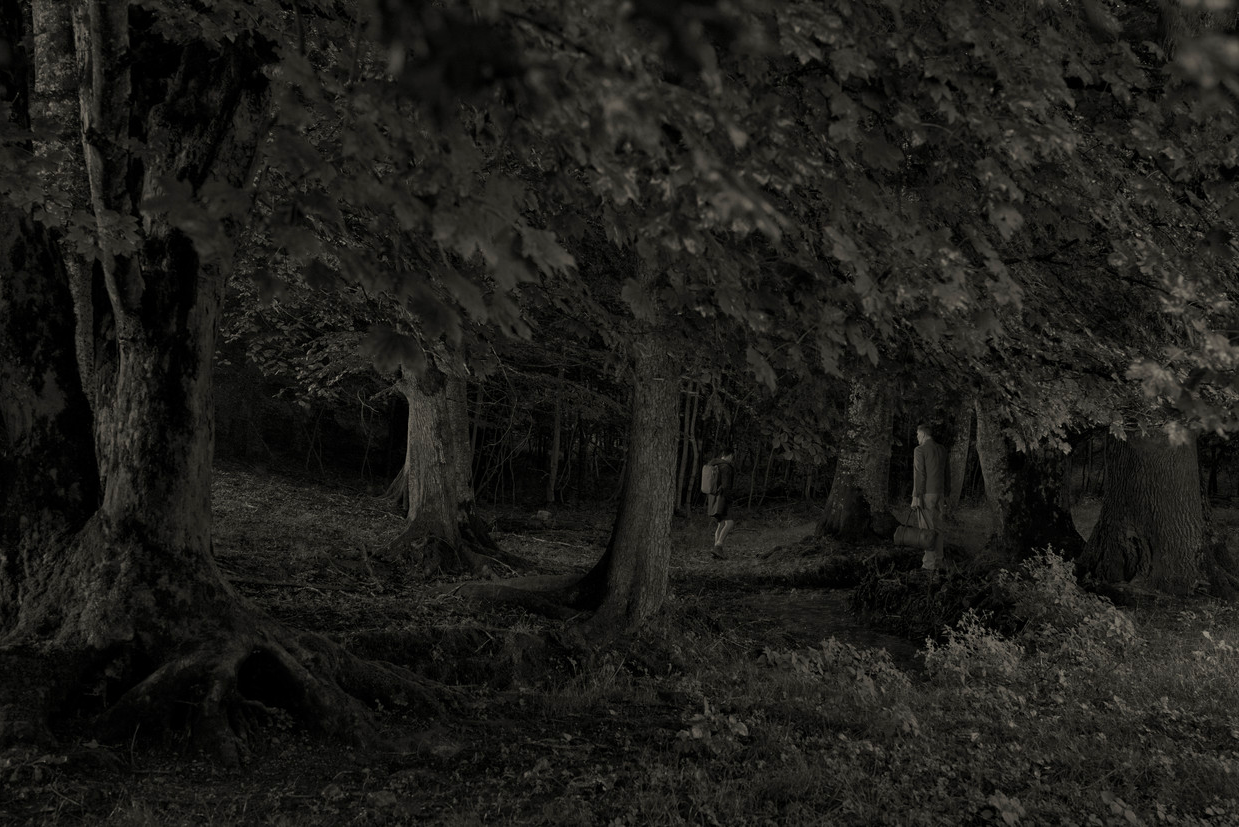
“Being angry at the world, wanting to charge into battle, calling everyone out of the way on the cycle path and thinking: I am the centre of the world. That has changed. I now seek calm, I get centrifuged toward the margins. This photograph is about that: we are part of a caravan and little by little I notice I’m falling behind while my partner keeps moving forward. That has to happen, and I want it too — that he just walks on and makes the best of it.”
On NPO Start you can find Erwin Olaf: The Legacy, a film by Michiel van Erp. He follows Olaf at the peak of his career: sixty years old, a collection in the Rijksmuseum, a new photo series underway. But throughout, the film is mainly about the transience of life and what he will leave behind. His own health is declining and his mother is dying.
Particularly beautiful are the images of Olaf with a former partner who does not have long to live. They recreate an intimate nude portrait they made as young men, and the vulnerability radiates off the screen. Later they look at the result together in the museum. Where most visitors see art, for these two men it is also a collection of memories from a blessed life. “Got everything out of it that was in it,” Olaf concludes.
II.
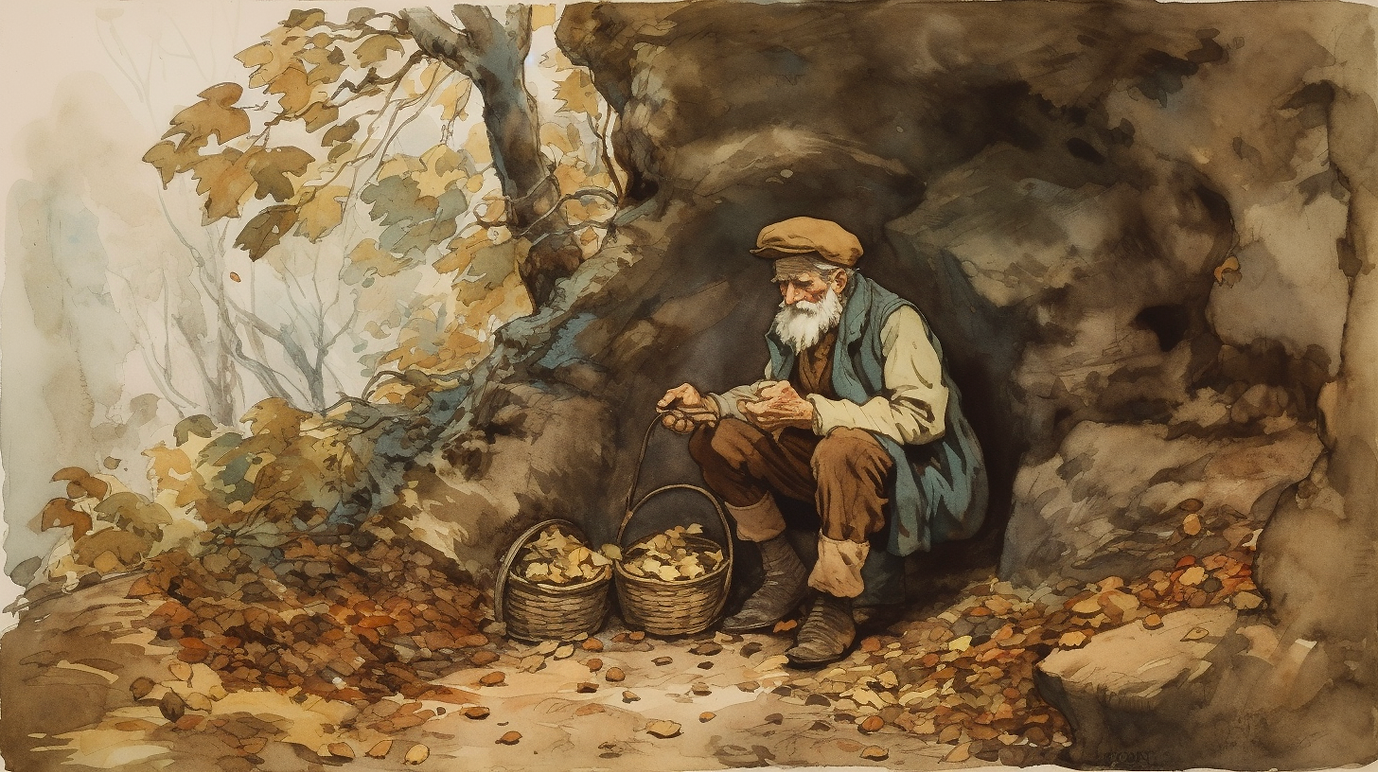
Rolling Stone published an excerpt from Jason Thomas Gordon’s book The Singers Talk. It is a conversation with Thom Yorke about how he started singing and when he found his voice. Neil Young’s song After the Gold Rush was a key moment for him. When he heard it as a young singer he realised: “Wow! Is it okay to sound like this?”
In 2002, Yorke performs Young’s song at a benefit concert organised by Neil Young. In the BBC radio programme Desert Island Discs, Yorke looks back on that performance. The evening before the concert, Young invites all the artists who would be performing to his home. “And I am not very well suited socially to these kinds of situations,” says Yorke. “So I have to prepare for it… by drinking a lot.”
Every time Young walks past, the Radiohead singer freezes. “It’s like meeting Elvis in his house,” says Yorke. But eventually Young stops to have a chat. “And I stammer: ‘I really want to play After The Gold Rush tomorrow,’ whereupon he says: ‘Really? How wonderful! Then you must play it on the piano I recorded it on.’”
A day later, Thom Yorke plays After The Gold Rush. On Neil Young’s piano, with Young watching from the wings. The recording is not great, but I think you immediately hear why the song once made such an impact on him.
Oh, in the excerpt we also learn which songs are guaranteed to make Yorke cry. “Tom Waits! Tom Traubert’s Blues. That one and Simple Twist of Fate by Bob Dylan. […] I can’t sit through those songs without breaking down.”
III.
Last week I wrote about Walter Isaacson’s biography of Elon Musk. One of the most distressing passages in the book concerns Yoel Roth. He was once head of safety at Twitter, until Elon Musk’s management became too much for him and he left.
Roth looks back on his final years at Twitter (now X) with little pleasure. As co-responsible for the banning of Donald Trump after the storming of the Capitol, he was publicly attacked by the former president. And after Roth left X, Musk dragged him through the mud once more.
In both cases, Roth was directly threatened by hordes of Trump and Musk followers. “I lived with armed security guards at my door and had to upend my family, because I was constantly having to hide and move,” he writes in The New York Times.
Call it a sad irony that Twitter’s head of safety ultimately fell victim to the very poison he had spent years trying to protect the platform from. Since Musk’s arrival, things have not improved.
And now Musk plans to charge users “a small monthly fee” just to use X at all. Nobody’s going to do that, right?
PS.
What a gift is film production company A24, which keeps on making surprising and original films. I’m looking forward to Dream Scenario. Nicolas Cage plays biology teacher Paul who suddenly starts appearing in his students’ dreams. Nobody knows how it happens, but soon Paul finds himself at the centre of attention.
What a year for The National. Five months after First Two Pages of Frankenstein was released, the American band is already putting out another new album: Laugh Track. As far as I’m concerned it’s at least as good (and maybe even slightly better) than its predecessor. Favourite tracks at the moment: Alphabet City, Hornets and Smoke Detector. Next Friday they’re playing at the Ziggo Dome.
Not a single word of Italian was spoken here. My colleague Bas and I recorded the video in Dutch, but AI tool HeyGen then translated it into Italian. Maybe we’re looking at the future of dubbing. Watch the full video on NU.nl.
Thanks for reading! I’d love it if you subscribed — you’ll receive this newsletter free in your inbox every Sunday.