
33. The Halloween edition
I.
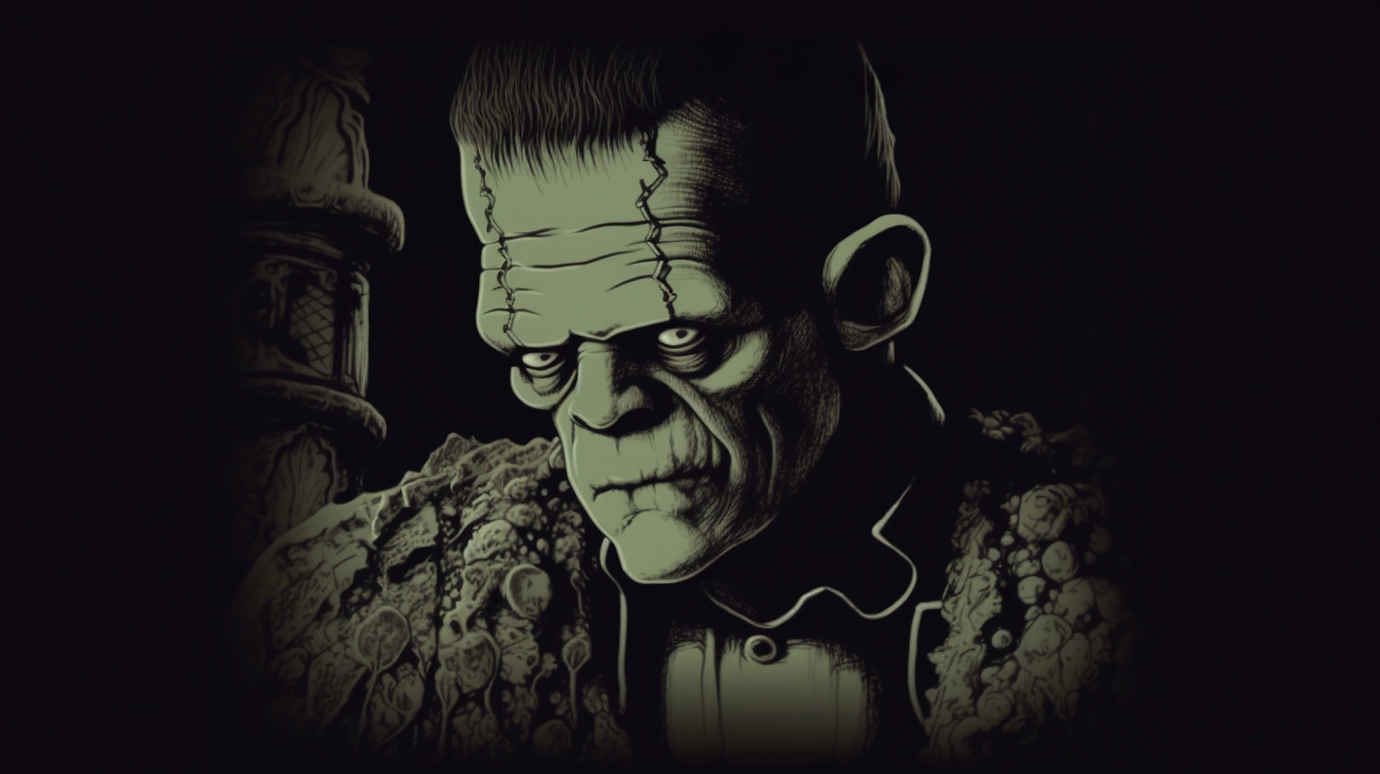
Frankenstein’s monster is an iconic horror figure, particularly due to the film adaptations in which Boris Karloff plays the monster. But it all began with the book Frankenstein, written by Mary Shelley in 1818. I’ve finally read the story, in Maria Postema’s retelling. And I discovered that the book differs greatly from the films of the 1930s.
Those films are, literally and figuratively, more black and white than the book. I was struck by how many shades of grey Shelley used. No one is explicitly good or bad. Not even the monster, who is not only depicted as hideous in appearance, but is also superhumanly fast. He climbs up a steep rock face with ease.
So my image of a monster shuffling along with outstretched arms is actually incorrect. The screws in his neck were also invented by the filmmakers and, while I’m at it, in the book the creator Victor Frankenstein does not have a hunchbacked assistant named Igor. The monster from the book is more of a tragic figure than a scary one. He is tormented and cannot find his place in society. Ultimately, it does not end well for anyone.
Shelley began writing the story when she was eighteen. Two hundred years later, it doesn’t send shivers down your spine, but it still provokes thought. She tackles major issues. And you can surely fill in the answer to the biggest question: whether it’s a good idea to play God.
II.
For this month’s film column, I’ve watched the three Frankenstein films starring Boris Karloff.
I have a soft spot for those classic Universal Classic Monsters, a series of monster films made between 1931 and 1956. It began with Frankenstein and Dracula, later followed by The Mummy, The Invisible Man and The Creature from the Black Lagoon.
In Frankenstein (1931), an assistant to Henry Frankenstein (the characters Victor and his friend Henry from the book have been merged) steals the wrong brain from a university. This criminal brain explains the creation of a monster. It is brought to life in a huge mill tower. That is the film’s showpiece. Frankenstein’s laboratory is gigantic; a dead body is hoisted up and lightning strikes. “It lives!” Frankenstein shouts. “It lives! Now I know what it feels like to be God!” Eventually, we see the clumsy monster escape and, through clumsiness, kill a girl. The scene where her father later walks through a village for minutes on end with her corpse is the film’s most terrifying image.
In ***The Bride of Frankenstein*** (1935), it turns out the monster isn’t dead. And he gets what he wants in the book but doesn’t get: a wife. Thanks to a certain Mr Pretorius, a mad professor who forces Frankenstein to create another monster. This film is slightly better than the original. The sets, for example, are wilder and larger. Pretorius has already created a few people whom he keeps in jars, and those effects are still stunning. The film is even funny at times. The monster learns to speak and puff on thick cigars. The script is also self-aware: “It’s alive!” shouts a woman when the monster first appears after everyone thought he had been killed. You could see *The Son of Frankenstein* (1939) as the final instalment of the *Frankenstein* trilogy starring Karloff as the monster. With a different director and a different lead character. Henry Frankenstein’s son, Wolf, now plays the lead role. It couldn’t have been any other way, for that matter. The actor who played Henry, Colin Clive, was a heavy drinker and died in 1937 at the age of 37. In this film, Wolf Frankenstein attempts to clear his family’s name by demonstrating that the monster isn’t all that bad. Naturally, this goes awry. And that’s down to his assistant Ygor, who makes his first appearance here. He is played by actor Bela Lugosi, who a few years earlier had played a captivating Dracula. *The Son of Frankenstein* runs a bit too long and isn’t as impressive as the earlier instalments, though the finale is reasonably spectacular. ---
PS.
Two years ago, Wired made a video featuring James Hall, a master of the art of pumpkin carving. Anyone can carve a spooky face, but this man takes it to a whole new level. Hall guides you through thirteen levels of pumpkin carving, and I sat there watching it, spellbound, for almost 24 minutes. From shadows to 3D sculptures. Bizarre.
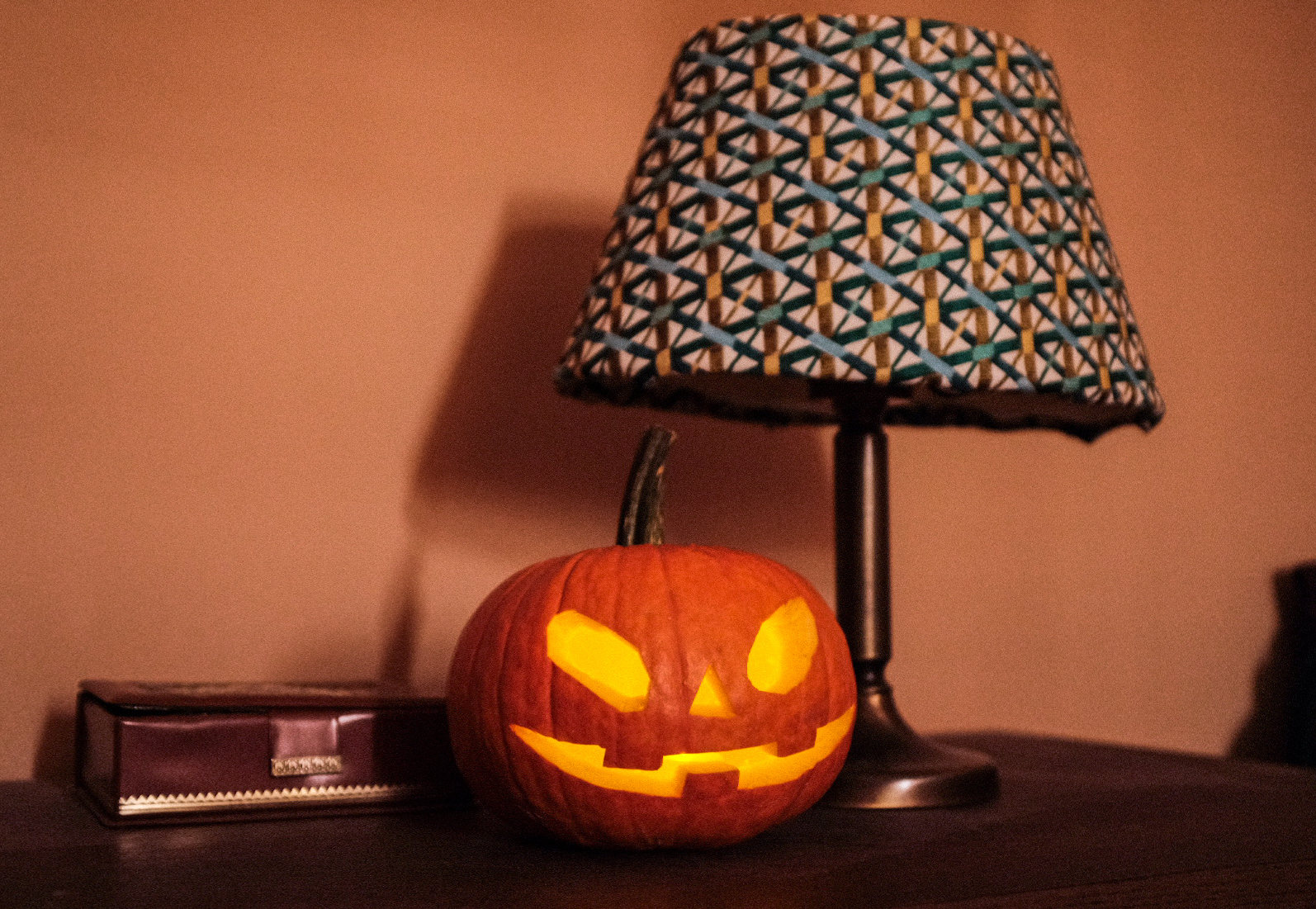
(I carved one myself too, my first ever; you can find it right at the bottom.)
---I always watch Old Time Hawkey’s videos on Instagram. ‘Hello buddy,’ he begins. “Can’t sleep, eh?” In a calm tone, he helps you drift off to sleep whilst preparing something to eat in a cosy camper van in the woods. Now he’s making longer videos on YouTube. This time, a Halloween special featuring dancing skeletons on VHS and stuffed peppers.
---So you’ve decided to start listening to Radiohead in your thirties? Congratulations—the metamorphosis you didn’t know you needed has just begun.
Neal Agarwal, from The Password Game, has another brilliant new project. It’s a museum brimming with nostalgia for the early days of the internet. You’ll find the first email, Line Rider, the Space Jam website and the first MP3. Many of the pages are interactive. Internet Artifacts, enjoy.
I’m a fan of the programme Met Frans Bromet op hondencursus. In it, the 79-year-old documentary maker (forever known for the 1998 clip in which people say they aren’t waiting for mobile phones) follows various dog owners. This results in hilarious and heart-warming footage, accompanied by Bromet’s typically dry, ironic commentary. On NPO.
The most bizarre story you’ll read this week. On NRC: In the virtual world of Habbo Hotel, Anja meets a new friend. She breaks with her family and disappears. An incredible story, a must-read.
Finally: could there besadder news?
Thank you for reading! I’d love it if you subscribed; you’ll then receive this newsletter in your inbox every Sunday, free of charge.