
34. Pluto is a Netflix hit, a tech-noir about robots and AI
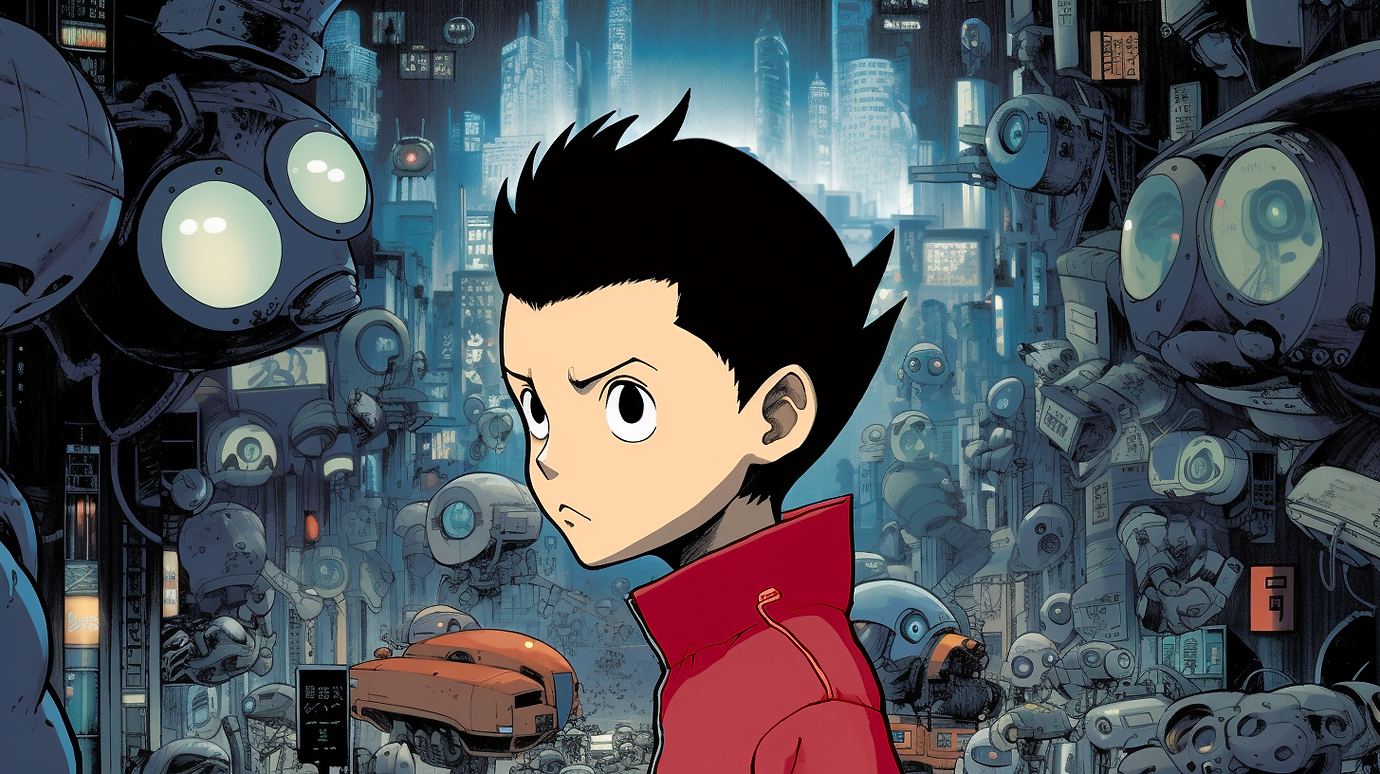
Films and series about robots and artificial intelligence are, at their core, always about what it means to be human. Pluto is no exception. It is the best anime series in years and finally another real must-see on Netflix.
Pluto is a mysterious sci-fi thriller set in a future where humans and robots live side by side. When one of the world’s most beloved robots is brutally taken out of action, Inspector Gesicht tries to find out who is behind it. It soon becomes clear that a great danger lurks, putting the lives of both humans and machines at risk.
In this world, robots are becoming increasingly human-like. Sometimes you can’t even tell the difference. And robots have rights, which means they can, for example, start a family. There are a few rules, though: for instance, robots cannot kill humans.
Pluto makes you think. For instance, how wonderful it is that we as humans can forget events, or at least let them fade. It would be unbearable if we constantly remembered everything, along with the pain of the past that comes with it. A robot remembers everything in detail, unless parts of their memory are deliberately erased.
It is also fascinating that Pluto is told from the perspective of the robots and their artificial intelligence. There are opponents of greater freedoms for robots, but they are the villains. Whereas in real life, we are fully committed to regulating what ChatGPT, for example, is capable of and what data it is permitted to store.
For example, work is underway on a European AI law to ensure we use the technology responsibly. At conferences, warnings are issued about the dangers of weapons that decide for themselves who to fire at. This is also reflected in Pluto: when Gesicht wants to attack a target, he first seeks approval from his employer, Europol.
It is good that we think about this in advance. Because if we carelessly keep making robots more human and they eventually mimic emotions, things will soon become confusing. A simple example: how do you react to a person kicking a robot dog? We develop a sense of empathy for robots rather than the other way round. This is also explored in Pluto: what does it mean when a robot cries? How does a machine deal with loss? And with hatred?
The Japanese animated series took six years to make. You can tell, because it looks absolutely stunning. Only the 3D visuals don’t always come across well, and an hour per episode (there are eight) is sometimes a bit long. But the atmosphere is incredible and the story even better. There’s room for tech-noir, big questions and sentimental messages. And too few people are talking about it: watch Pluto!
---II.
Pluto is based on the manga series of the same name by writer and artist Naoki Urasawa. And that series, in turn, is based on a storyline from Astro Boy, a series by Osamu Tezuka. In the early 2000s, a number of volumes of Astro Boy were published in the Netherlands by the Belgian publisher Standaard Uitgeverij (who also publish Suske en Wiske, for example). At the time, I bought the paperbacks and became hooked on the adventures of the robot boy who can shoot bullets from his backside.
I still have them, and after rummaging through some moving boxes, I found the third volume. It contains the story on which Pluto is based: The Greatest Robot in the World. Whereas Urasawa opted for a mature retelling with more depth and big questions, Astro Boy is more of a Saturday morning cartoon. With a simpler plot. There is a powerful robot, and if he defeats the seven strongest robots in the world, he can call himself the strongest. Astro Boy must stop him.
The nice thing is that Urasawa hasn’t changed much about the core of the story. Characters also return, albeit with more backstory or in adapted versions. If you’ve seen Pluto, do have a look at the original story. Or watch the anime adaptation, which is on YouTube (part 1 and part 2).
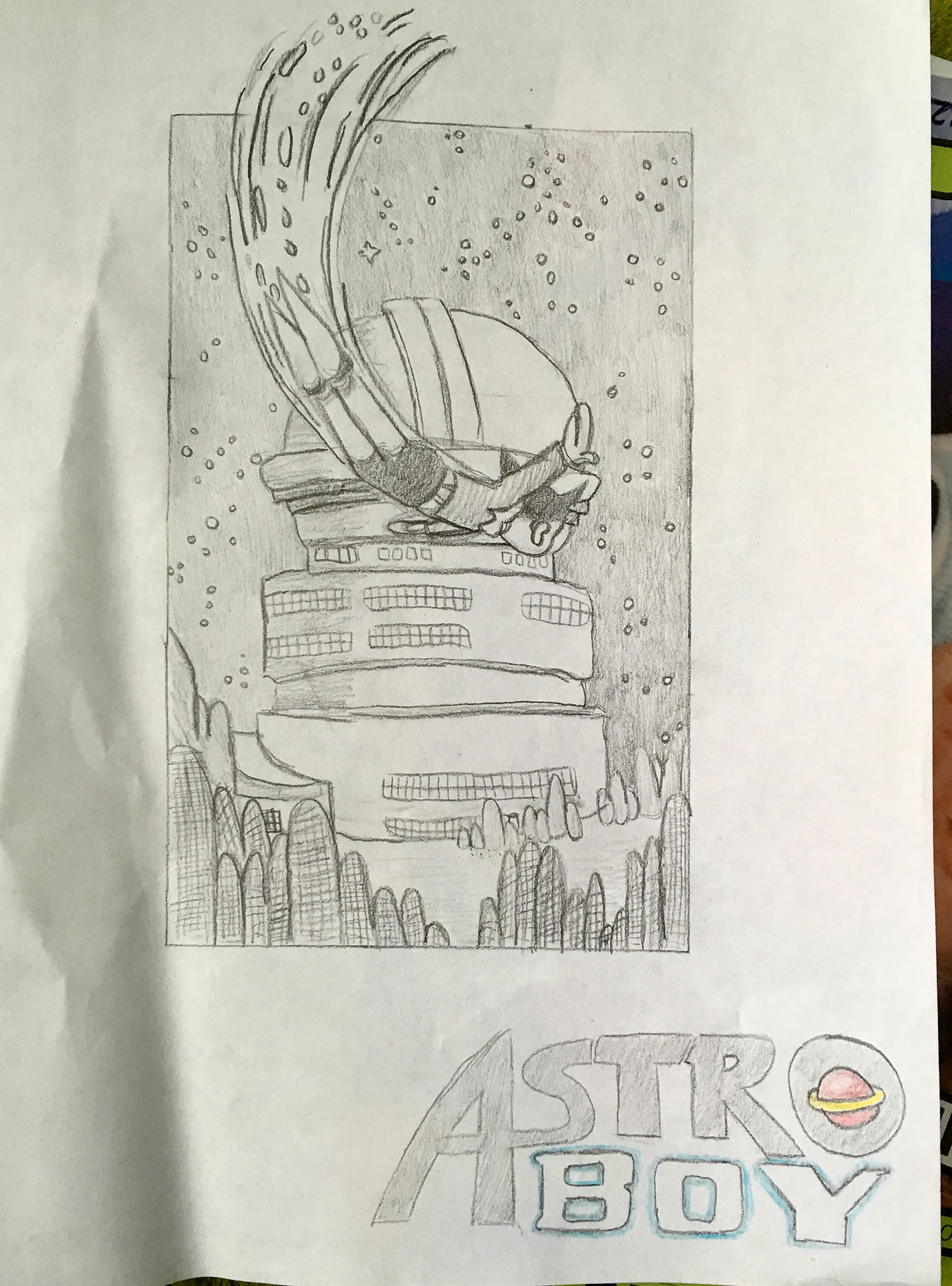
Below is some crumpled fan art (I couldn’t find the original anymore, but I did still have this photo):
III.
The very last song by The Beatles was released this week. Now And Then. I was a bit sceptical at first. The song is based on an old demo by John Lennon. Perhaps Lennon didn’t want to release it at all. Paul McCartney also wrestled with that question for a while, he says in the short film released alongside the single.
“But if I could ask him,” he says, “the answer would be: ‘Yeah!’ He would have loved it.”
And it is brilliant. Using machine learning, Lennon’s voice was extracted from the demo recording and polished up. The drums were played by Ringo Starr and McCartney plays piano and guitar. An orchestral recording rounds it off. There’s still some noise on Lennon’s voice; perhaps that couldn’t be filtered out. It only makes it more haunting and beautiful.
Now And Then is a beautiful, nostalgic track. You can sing along after just one listen. A bit of Beatles magic. But now it’s over; there really will never be any new work from the band again. All we can do now is miss them now and then. “And now and then I want you to be there for me. Always to return to me.”
The acclaimed YouTube channel David Bennett Piano made a video about the differences between Lennon’s original demo and the final Beatles version: ---I’d love it if you subscribed; you’ll then receive this newsletter in your inbox every Sunday for free.
---PS.
I’m a bit addicted to the mobile game subpar pool. It’s a combination of mini-golf and pool in a cheerful cartoon style. On a variety of pool tables, you try to pot all the balls whilst completing challenges. There are portals, ice balls and magnetic balls, all of which require different playing styles. From the makers of holedown by the way, which is also brilliant.
---Microsoft’s news platform MSN has sacked journalists and is now having its news articles written by AI. Apparently, no one asked themselves beforehand what could possibly go wrong. Well, everything, as it turns out.
Roblox is hugely popular among young people. In the game environment, people and brands build their own worlds and games, which can be visited by others. I was invited by a Dutch teenager to come and have a look at a simulation of the airline Ryanair, which he maintains together with dozens of other young people. I flew for half an hour in a virtual aeroplane, whilst children around me were typing in the chat that they had a bomb with them (log in first).
I haven’t started Alan Wake 2 yet, because there’s already so much to play. But I’m really looking forward to it, because this game is right up my street. Just like the first one was, which was full of references to horror films and mysterious series such as Twin Peaks. The new instalment is said to be even more creative and bizarre. The reviews don’t hold back either, for example those from NRC and Gamer.