
62. Japan (Part 1)
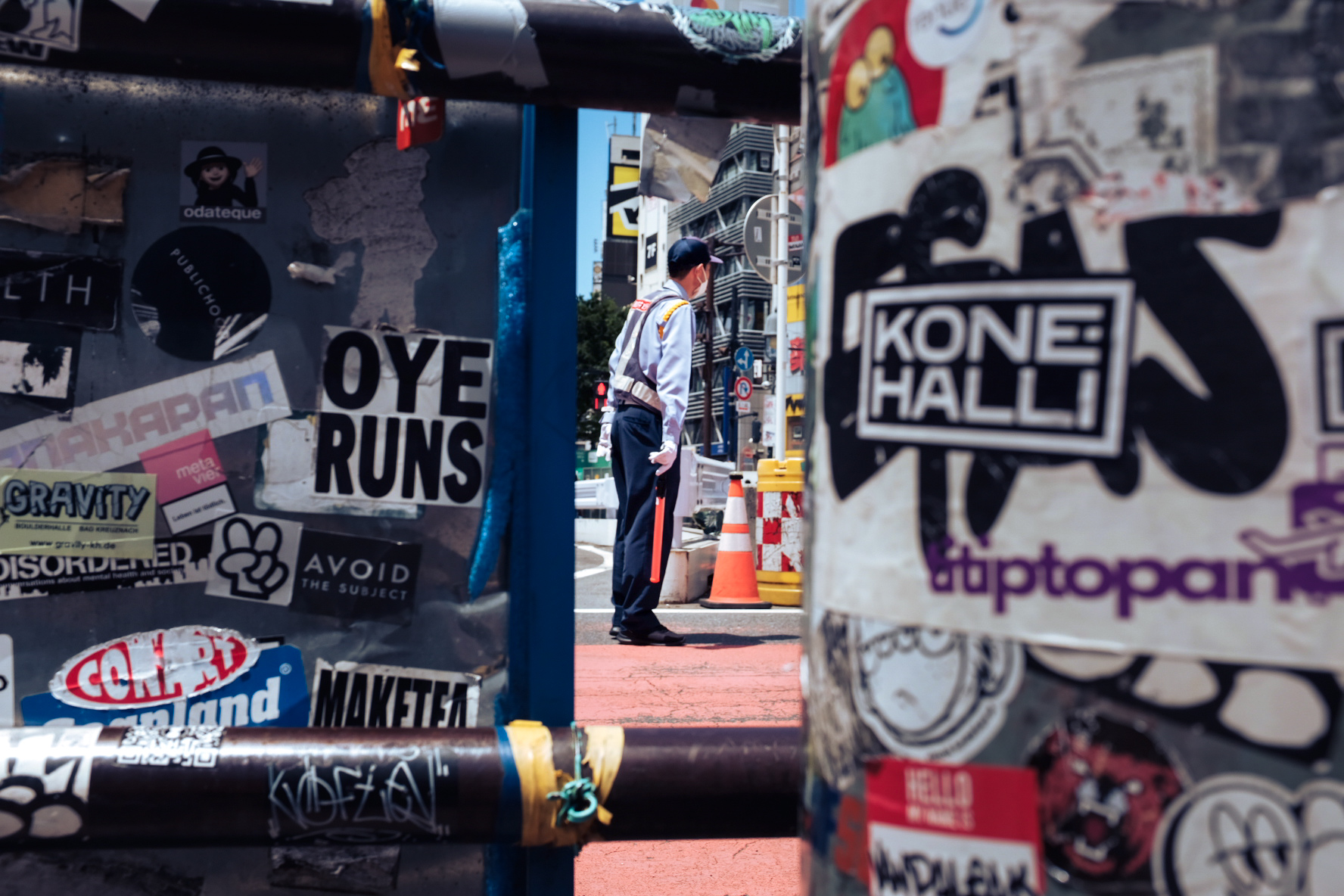
Together with my girlfriend, I’m racing through Japan like a shinkansen. After landing in Tokyo and a short stay in Kawaguchiko, we’ve arrived in Matsumoto. We’re allowed to stay in this fantastic country for another two weeks. In the meantime, I’ll try to keep you updated. Thanks for reading along and also for all the lovely holiday wishes last week!
It’s raining in Tokyo. You could even say it’s pouring. There are bubbles on the puddles. Still a bit dazed from the journey, we arrive at the hotel; by then, we’ve already been helped countless times by helpful Japanese people who’ve seen us struggling with Google Maps. Not even a day in Tokyo and we’re already running out of ways to say thank you.
I may have been learning Japanese with Duolingo for 134 days in a row, but in practice my responses boil down to endless konnichiwas, arigato goizamasus and understanding ‘okays’ and ‘ahhs’.
I find the nicest interactions are when we’re both doing our best, the Japanese person and I. The Japanese person says something in English, I say arigato in reply, and then get a thank you back. In this way, we both perform a well-meaning little skit, as a gesture of goodwill towards one another.
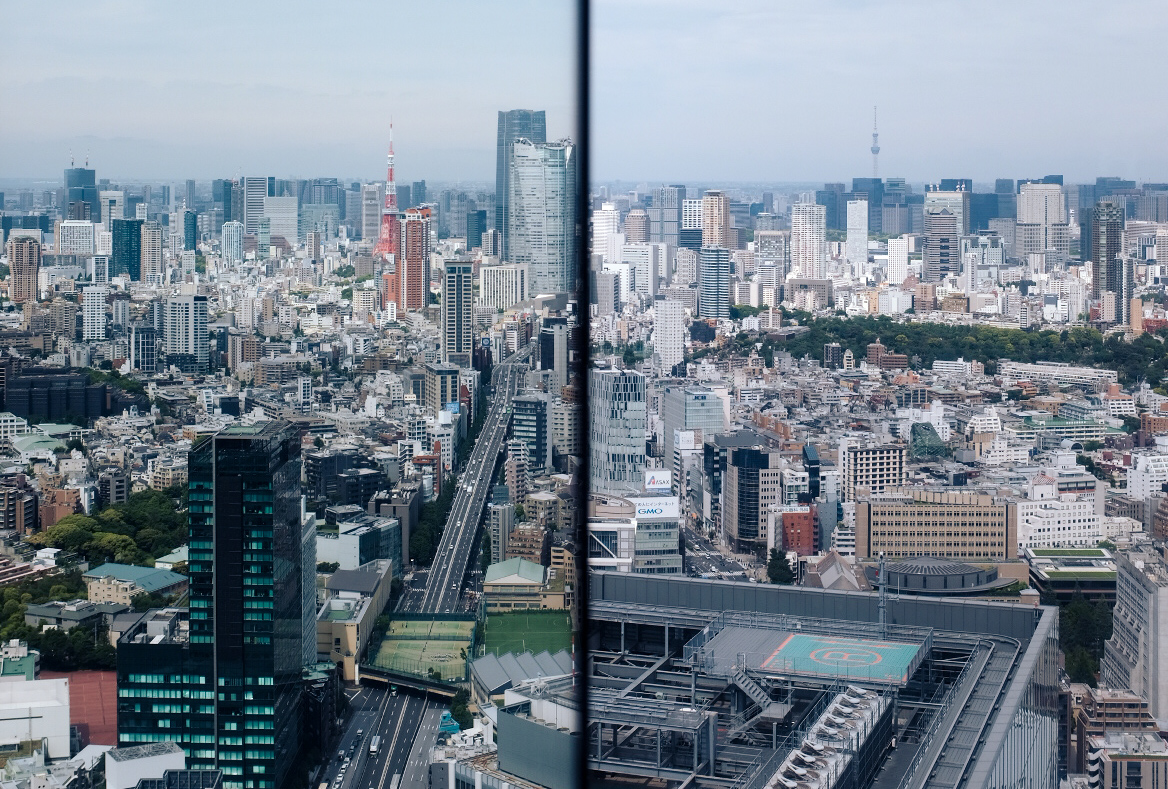
You only realise just how big Tokyo is when you stand on the roof of the Shibuya Sky skyscraper and see nothing but city as far as the eye can see in every direction.
Earlier, a Japanese man had pointed out Mount Fuji to us, just a tiny dot in the distance. First you see the city stretching to the horizon, then a strip of blue, and above that, a small patch of the snow-capped peak. It’s sunny now; you can see for miles. “This is the first time we’ve seen it!” I exclaim enthusiastically. The Japanese man smiles and wishes us a great day. It’s already been a success.
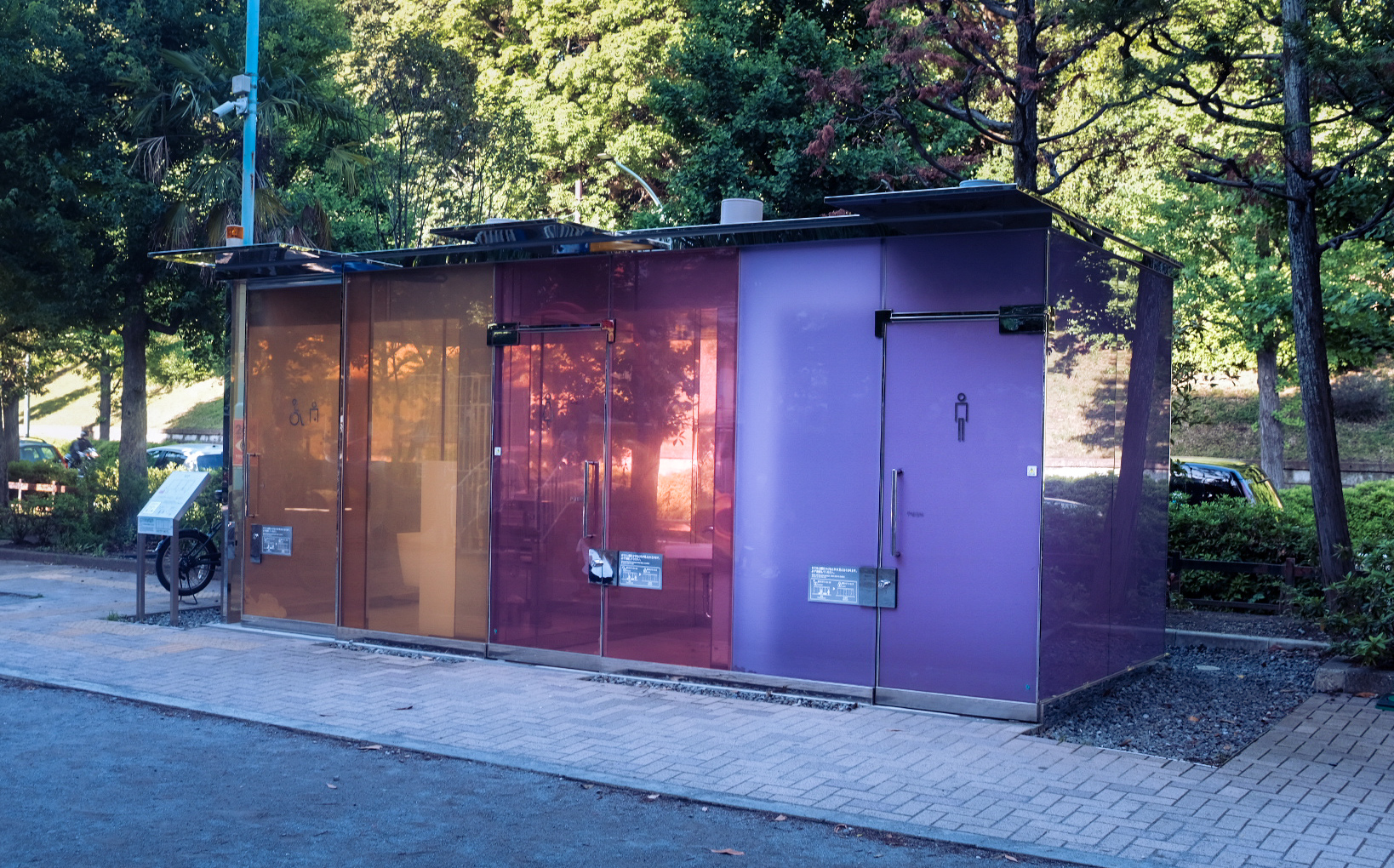
In Shibuya, there’s so much to take in—signs, screens and noise everywhere. Strangely enough, it’s also quite pleasant. Partly thanks to the large Yoyogi Park, where just outside you’ll find one of the public toilets from the film Perfect Days. The toilet is made of glass so you can see right through it, until you lock the door, at which point no one can see you anymore.
The former film set hasn’t become a tourist attraction yet. There are just a few families playing with their children in the adjacent playground. It must look a bit strange that I’m taking photos there.
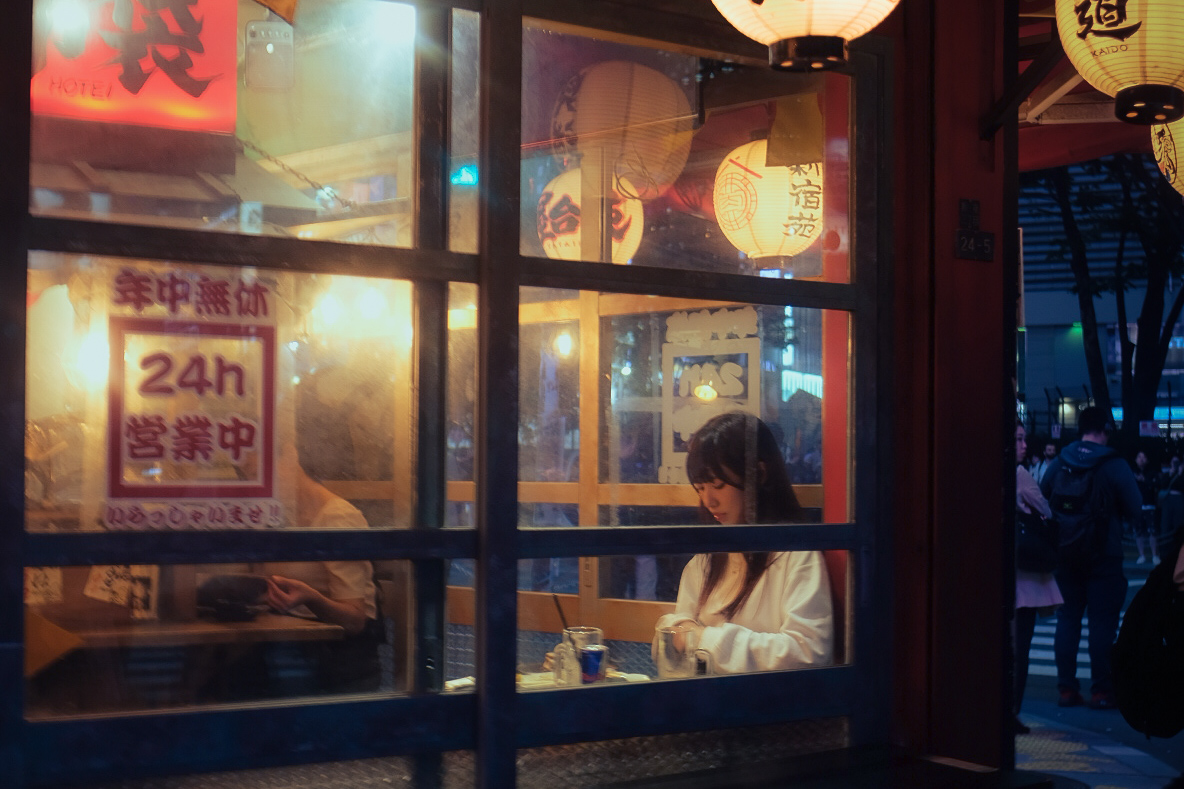
That evening we arrive in Shinjuku, where Godzilla’s head and a claw rise above the tall buildings, as if the monster were stomping through the streets. People barely notice it. They’re mainly out on the town and partying here; tourists are lured into clubs or have to deal with street performers.
We notice anyway that Tokyo’s neighbourhoods differ greatly from one another. The Las Vegas-like atmosphere of Shinjuku isn’t quite our cup of tea. Nor are the affluent shopping streets of Ginza (although there is an even cooler Godzilla statue by the station there).
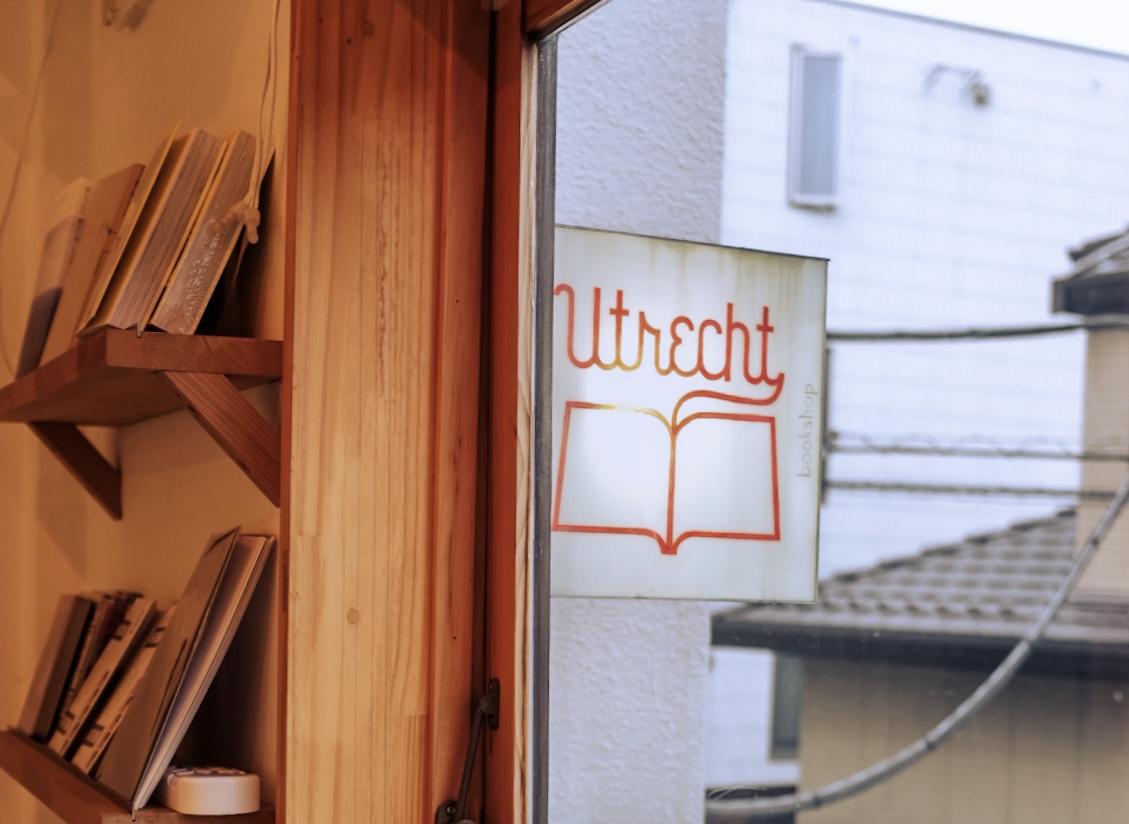
The Harajuku district, on the other hand, is a bit more alternative, with more vintage shops. Here we also find a little piece of home: a small bookshop tucked away on the first floor of a building deep in a residential area, called Utrecht / NOW IDEA.
The owner smiles when I ask him if many tourists come from Utrecht. He points behind him, where a shelf is lined with all sorts of souvenirs from the Netherlands. A candle in the shape of Utrecht Cathedral, a calendar with photos of Utrecht and much more.
I give him two bookmarks from De Utrechtse Boekenbar. In terms of atmosphere, the shops do have something in common, and one of the Boekenbar sales assistants pointed this shop in Tokyo out to me. Since then, I’ve been following them on Instagram, so I just had to pop in.
After three days in Tokyo, we set off for Kawaguchiko on the fourth day. For a long time, Japan’s rail network barely allows you a glimpse of the countryside; you flash from tunnel to tunnel, right through the mountains. After changing to the slow train, you are finally rewarded. The sky is clear and Mount Fuji looms up, growing ever larger and closer.
What an imposing sight, so perfectly shaped, gigantic and overwhelming that it almost makes one feel sorry for the surrounding mountains. In any other country, they could count on oohs and aahs, but here all attention is focused on Fuji.
The mountain is so imposing that I can hardly take it in. That feeling creeps up on me more often in Japan. The country sometimes seems not to really exist. Not just because of the code language I speak here with the Japanese. In the cities, the colours are as bright as toys, and the noodle bar where we eat in Kamaguchiko looks like a film set.
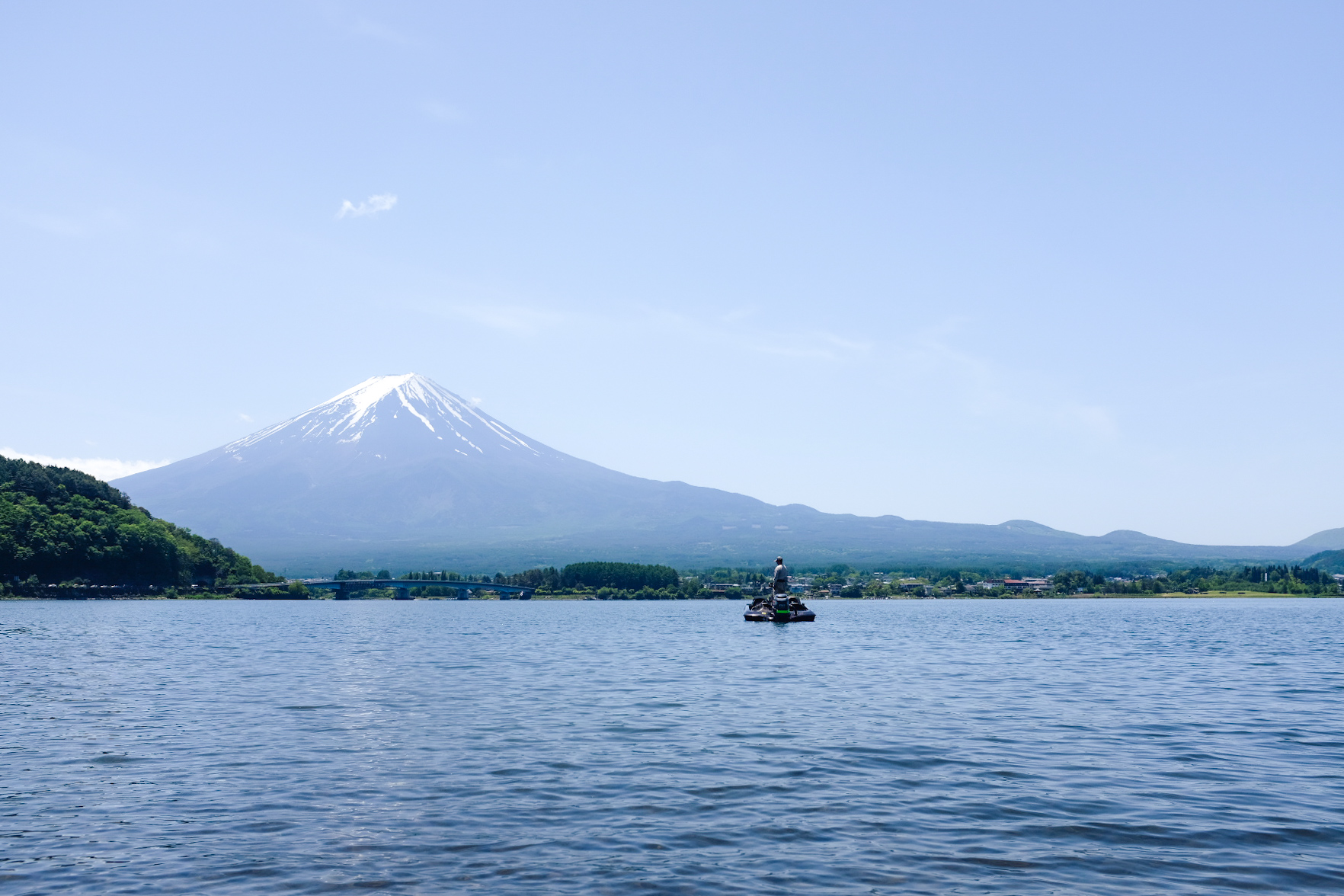
In Kawaguchiko, we walk around a large part of Lake Kawaguchi. It turns out there are few tourists mad enough to walk 16 kilometres in the blazing sun. It gets hot quickly in Japan. The nickname ‘Land of the Rising Sun’ didn’t come out of nowhere. Either the sun is high in the sky, or it has set. You hardly notice it happening. Suddenly it’s dark.
During the first part of our walk, we come across other walkers and are overtaken by cyclists. Along the way, we are treated to stunning views with Fuji as the ever-shining centrepiece.
In Oishi Park, roughly halfway up, it’s teeming with tourists. This is where you can take the most beautiful photos of fields of flowers in the foreground and the mountain in the background.
In the souvenir shop, alongside poorly photoshopped pictures, hangs a warning that has haunted me ever since. A doctored photo of Fuji without snow on the summit. With the question of whether we would be so kind as to look after the climate and nature. Otherwise, I fill in myself, a Japanese icon turns into an ordinary mountain that just happens to have a nice shape.
A disaster! Fuji without snow! Now, I don’t live in Japan, but in the space of a few days I’ve developed a total obsession with the mountain and have been converted to the Fuji faith. So this is something that’s very close to my heart. In the evening, I take a slightly shorter shower than usual.
During the second half of the walk around Lake Kawaguchi, the view of Fuji disappears behind other (less fascinating) mountains. They’re just overgrown hills. And the footpaths are becoming scarcer too, with cars whizzing past us.
At the end of the walk, we can really feel our feet – which back in the Netherlands only get this much exercise during festivals – my arms and neck are sunburnt, we eat a plate of divine tempura and drink an ice-cold glass of Asahi beer. At the hotel, we sleep soundly and deeply.
A day later, we set off for Matsumoto.
More next week! If you enjoyed this report, please consider signing up for a free subscription to the newsletter. Tips for Kyoto, Osaka and Tokyo are also welcome.