
138. Nature cannot be captured
I.
In films, there are so-called scene stealers. These are actors who grab all the attention when they’re on screen, even if the scene isn’t about their characters. How about Heath Ledger in The Dark Knight? Or Philip Seymour Hoffman in just about every film he appears in? One of the best-known examples of a scene stealer is Orson Welles, who is barely seen in The Third Man, but who immediately springs to mind when you hear the title.
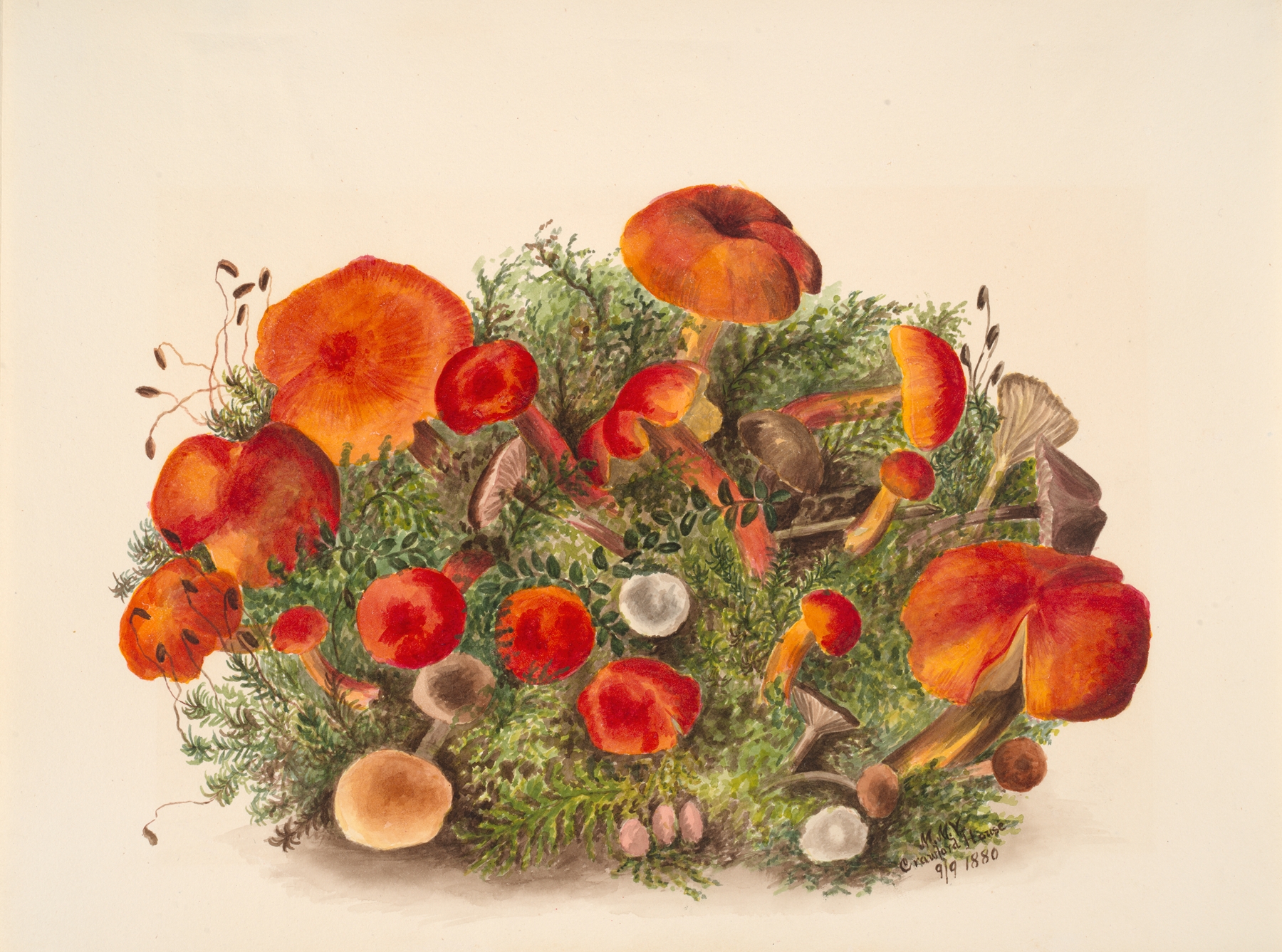
In Robert MacFarlane’s book Is A River Alive?, the scene-stealer is Giuliana Furci. She is a biologist specialising in the study of fungi and mushrooms. It seems as though she has a sixth sense for them. During walks, she regularly finds herself suddenly venturing metres deep into a wood, where she spots a minuscule specimen that is impossible to see with the naked eye from a distance.
She doesn’t know how she does it herself. “I don’t know, really. It’s that… fuzz again. I can only describe it as being like a force declaring itself within matter, giving off different vibrations and tones: these are what told me I was very close. (…) We think of fungi or mushrooms as still, as fixed, but they’re not; they’re fast-moving and fleeting in their appearances. Each meeting with a fungus is an encounter; we’ve crossed their paths, just as they’ve crossed ours.”
I love the way MacFarlane brings nature to life in his books, by recounting nature in a certain poetic way. And because he makes room for his travelling companions, about whom he writes with admiration.
II.
A few weeks ago I also wrote about MacFarlane, when he was in Utrecht for a literature festival. He said at the time: “As soon as we try to capture nature, she paces restlessly back and forth in her cage and is no longer herself.” Since then, I’ve apparently been on the lookout for statements about the human malleability of nature.
At the “immersive experience” about Van Gogh at the Jaarbeurs (not necessarily recommended), for example, I read this text by the painter: “Nature never allows itself to be moulded by the artist at first, but those who are truly serious are not deterred by that resistance.”
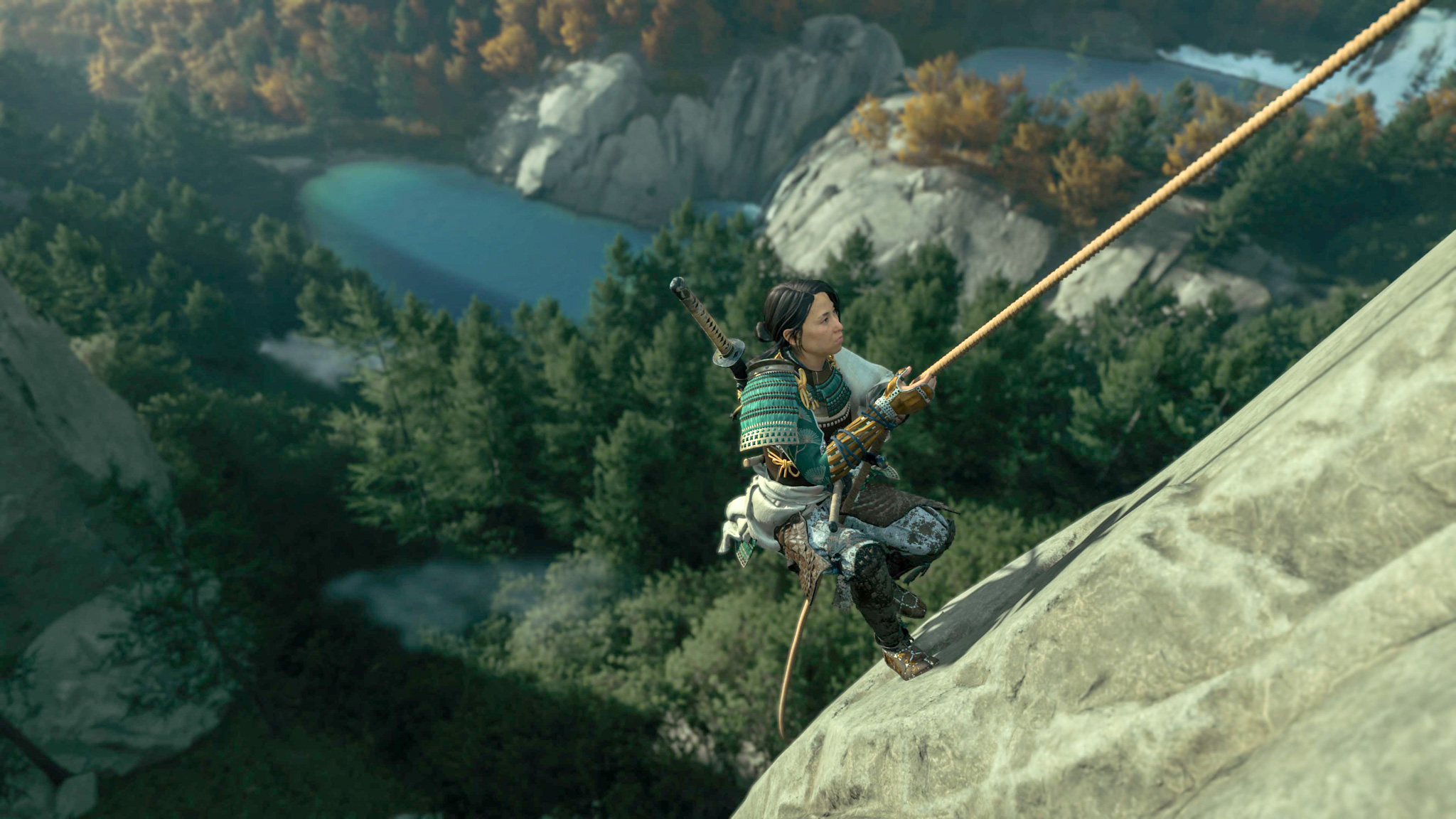
And in the game Ghost of Yotei, the protagonist’s mother says, whilst you are laying out a Japanese ornamental garden: “Do you know why they make such gardens in the south? It is an attempt to capture the splendour of nature. And so we remind ourselves that you can never fully capture or tame nature.”
As far as I’m concerned, Ghost of Yotei is all about nature and the Japanese landscapes, with their mountains, colourful trees and ghostly mist. What I love about the game (a Sony blockbuster) is that it dares to slow the player down to experience beauty. You take your place on a mountaintop to paint a landscape and sit in a hot spring to reflect on life. By following the wind, you arrive at a new quest, and running through fields of flowers gives your horse a boost. You don’t need to capture nature at all if you can embrace it, the creators seem to be saying.
PS.
Eddy Burback is back with a new video. This time, he shows how ChatGPT’s confirmatory algorithms can drag you into a spiral of maddening insanity. The video has a light-hearted and humorous tone, yet at the same time it exposes the lurking dangers of AI chatbots. “But don’t worry,” says Burback. “It’s not as if people are using ChatGPT for therapy or anything.”
- - -The online AI encyclopaedia Grokipedia is yet another attempt by Elon Musk to bend the truth to his will. I wrote for NU.nl about Wikipedia’s conservative rival.
The Jim Henson Company is auctioning hundreds of film props. These include puppets from The Dark Crystal and Fraggle Rock, props from Muppet Treasure Island and Muppets from Space, signed posters and original sketches for Sesame Street. All practically unaffordable, but it’s still fun to scroll through lists like this.
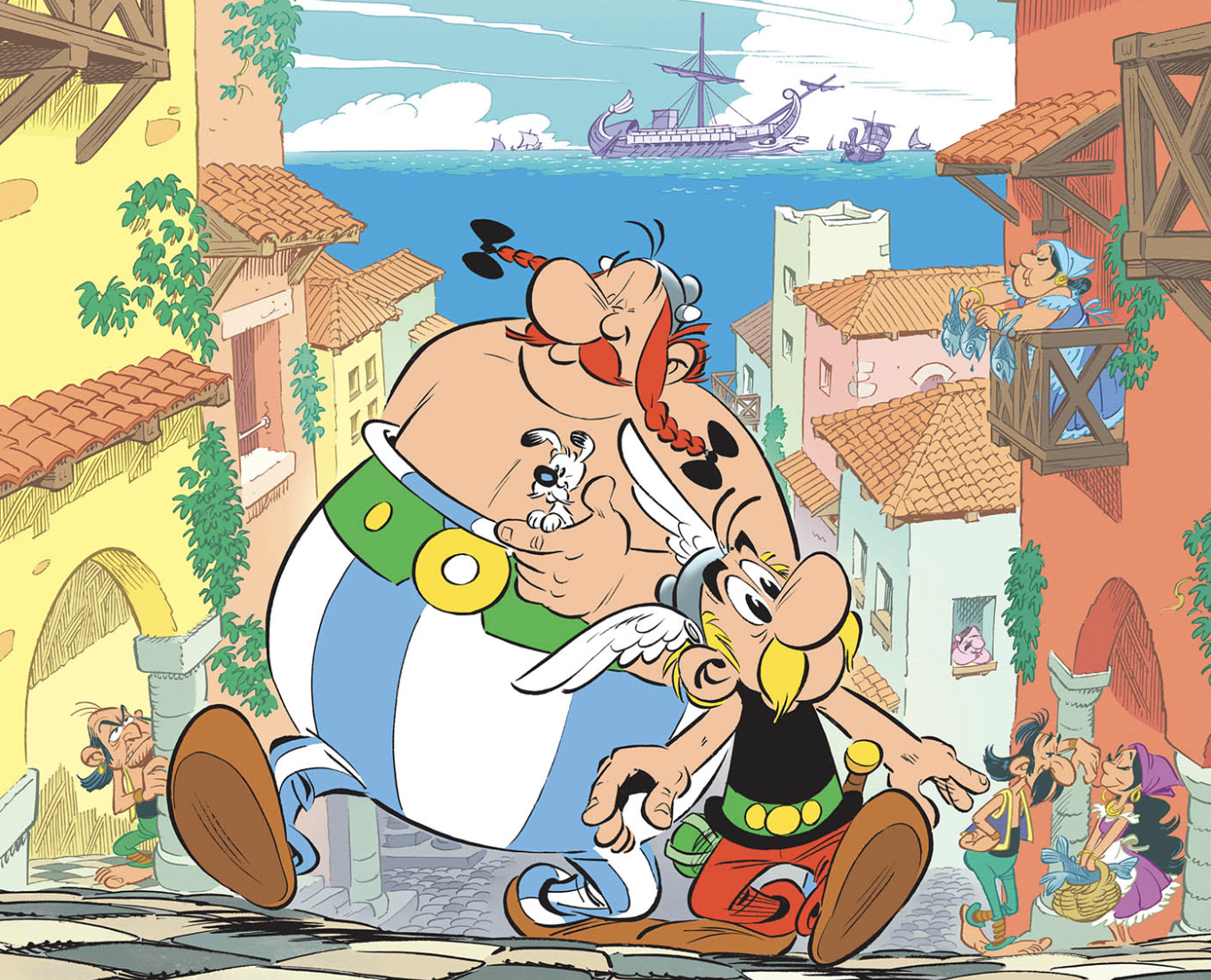
The publisher of Asterix has high hopes for the new album: Asterix in Lusitania. The first print run totals five million (!) copies worldwide and 200,000 Dutch-language editions. That’s a lot, but the comic series remains popular, even after the deaths of René Goscinny and Albert Uderzo. I read the new album and thoroughly enjoyed it. This time, the story is set in Lusitania, or Portugal. Someone is being wrongfully held in a cell and there’s quite a bit of fuss about fish sauce. But of course it’s all about the little jokes in between, the characters’ names (the Greek owner of the cart brand Twingos is my favourite) and the references to the present day. And I think the drawings (and colouring!) are absolutely on a par with the original work.
Terry Cavanagh makes indie games such as VVVVVV, Super Hexagon and Dicey Dungeons. He has now released a free game that you can play in your laptop’s browser: Egg. It’s a delightfully absurd 3D platformer in which you have to get six eggs from a box to six nests. It might take a while to get the hang of it, but once you do, it’s great fun.
It promises to be a week of celebrations, as Bob Dylan is performing twice in Amsterdam. I’m getting in the mood with A Complete Unknown (on Disney+) and Sam Shepard’s book The Rolling Thunder Logbook. These are notes on the Rolling Thunder Revue, the musical caravan of Dylan and friends, which set off fifty years ago. If I have time, I’ll watch the film Scorsese made about it again. More next week!
You’ve just read blog post №138, written during the week of 27 October to 2 November 2025. Subscribe to my newsletter and you’ll receive it in your inbox every Sunday, free of charge.