
157. Four times Paris
I.
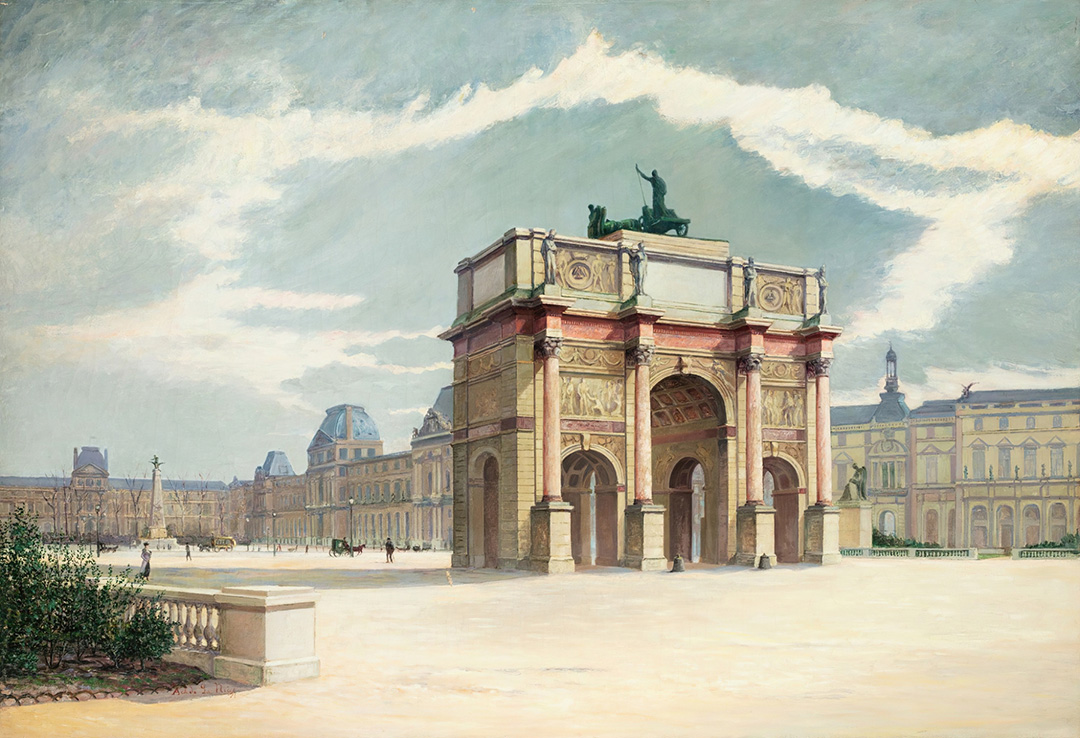
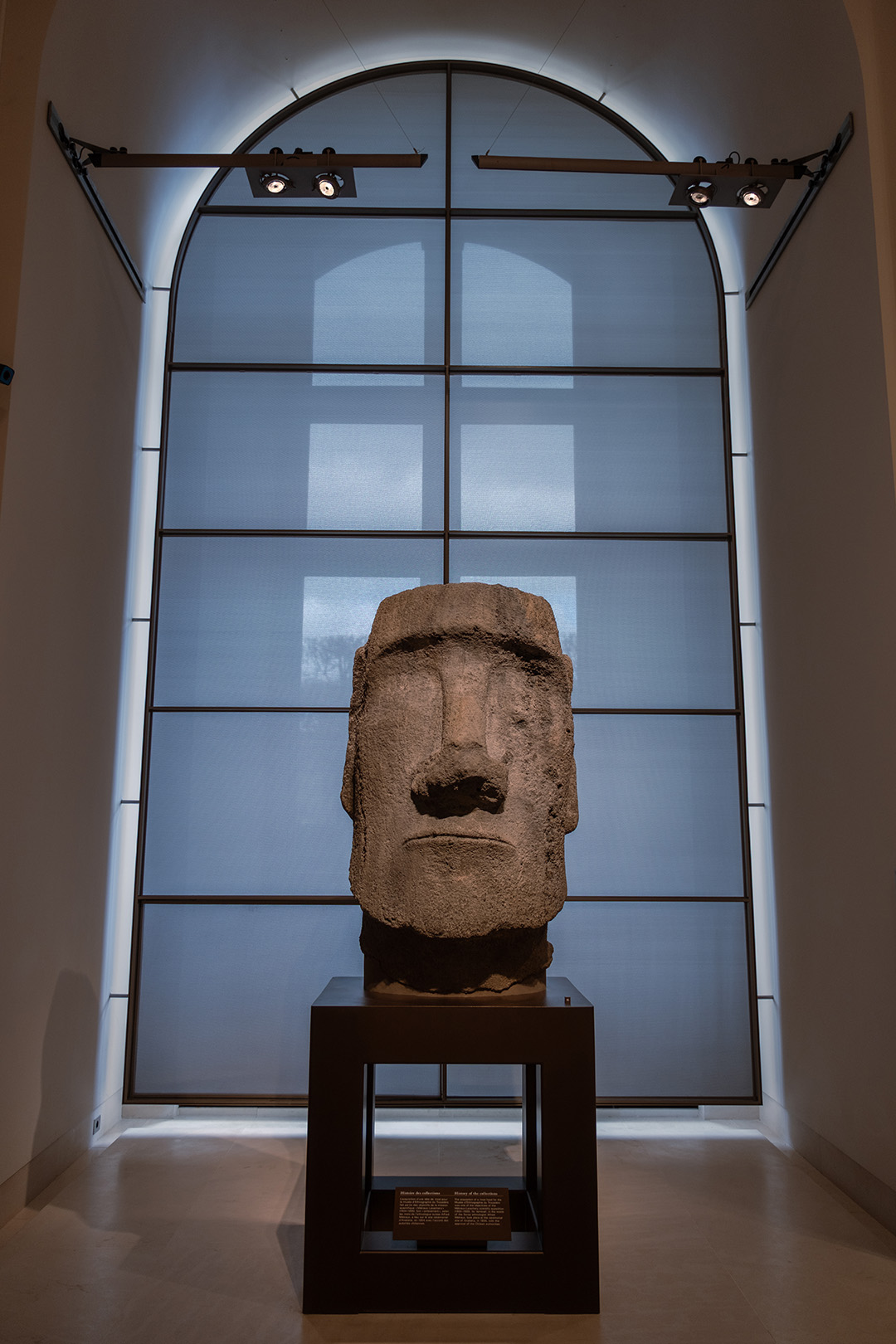
Good lord, the Louvre. You walk into the courtyard and the excess is already palpable — and you haven’t even gone inside yet. Walking through the wings of the gigantic palace of the old French kings, I audibly sighed more than once: “It’s too much, it’s too much.” I was quickly battered senseless by the sheer abundance of works in the museum.
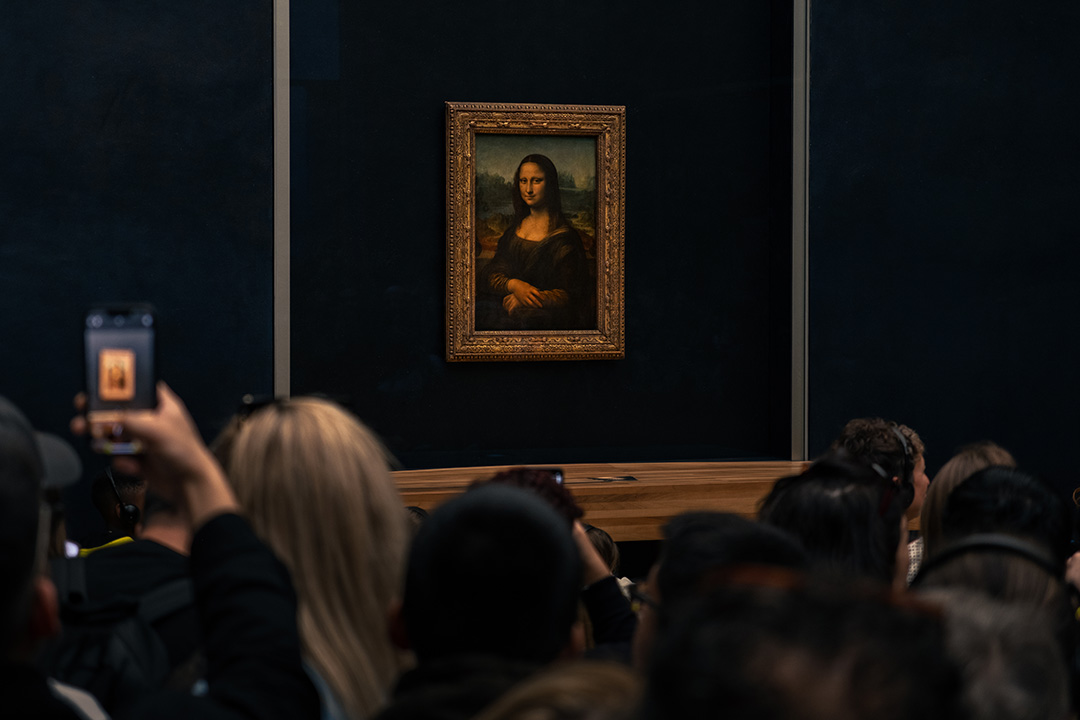
On top of that, even on an ordinary Thursday morning, the Louvre is a question of walking over people’s heads. Impossibly crowded. After entering, I made a beeline straight for the Mona Lisa. Leonardo da Vinci’s masterpiece. The absolute highlight. You cannot possibly get a good look at the painting, because you shuffle through a photographing crowd until you hit a barrier about three metres from the work. You don’t look at the Mona Lisa — you check the Mona Lisa off your list.
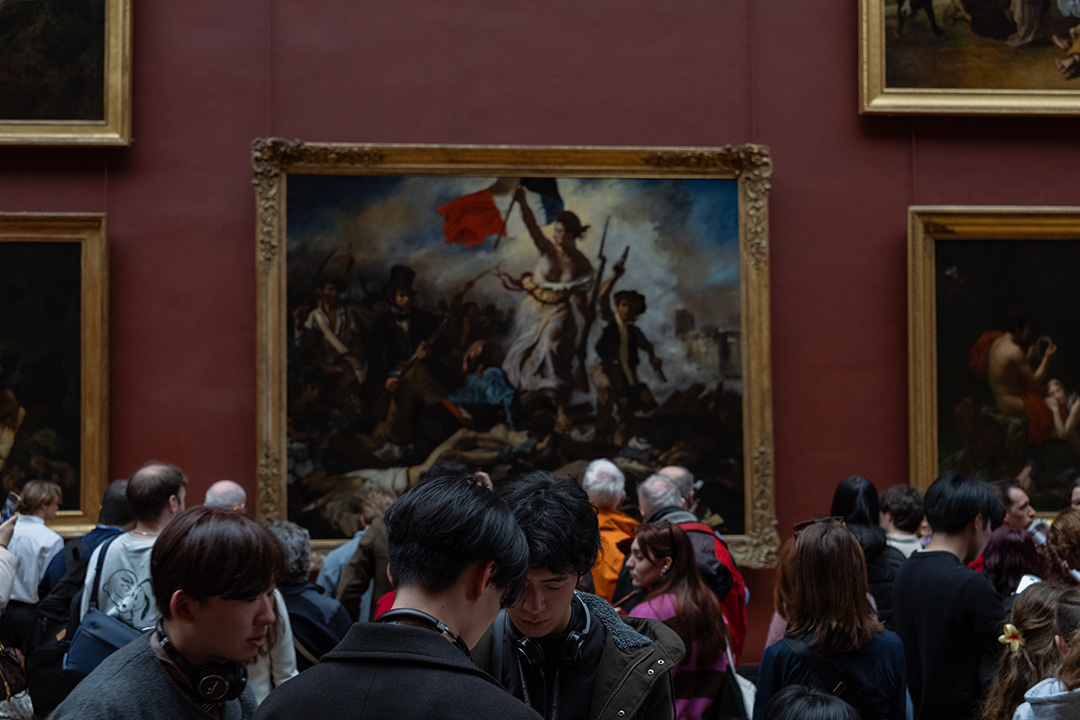
There is so much to see in the Louvre that it makes your head spin. The Coronation of Napoleon by Jacques-Louis David. Good heavens. Liberty Leading the People by Eugène Delacroix. Ou la la. There is so much imposing work but it is impossible to look at any of it in peace.
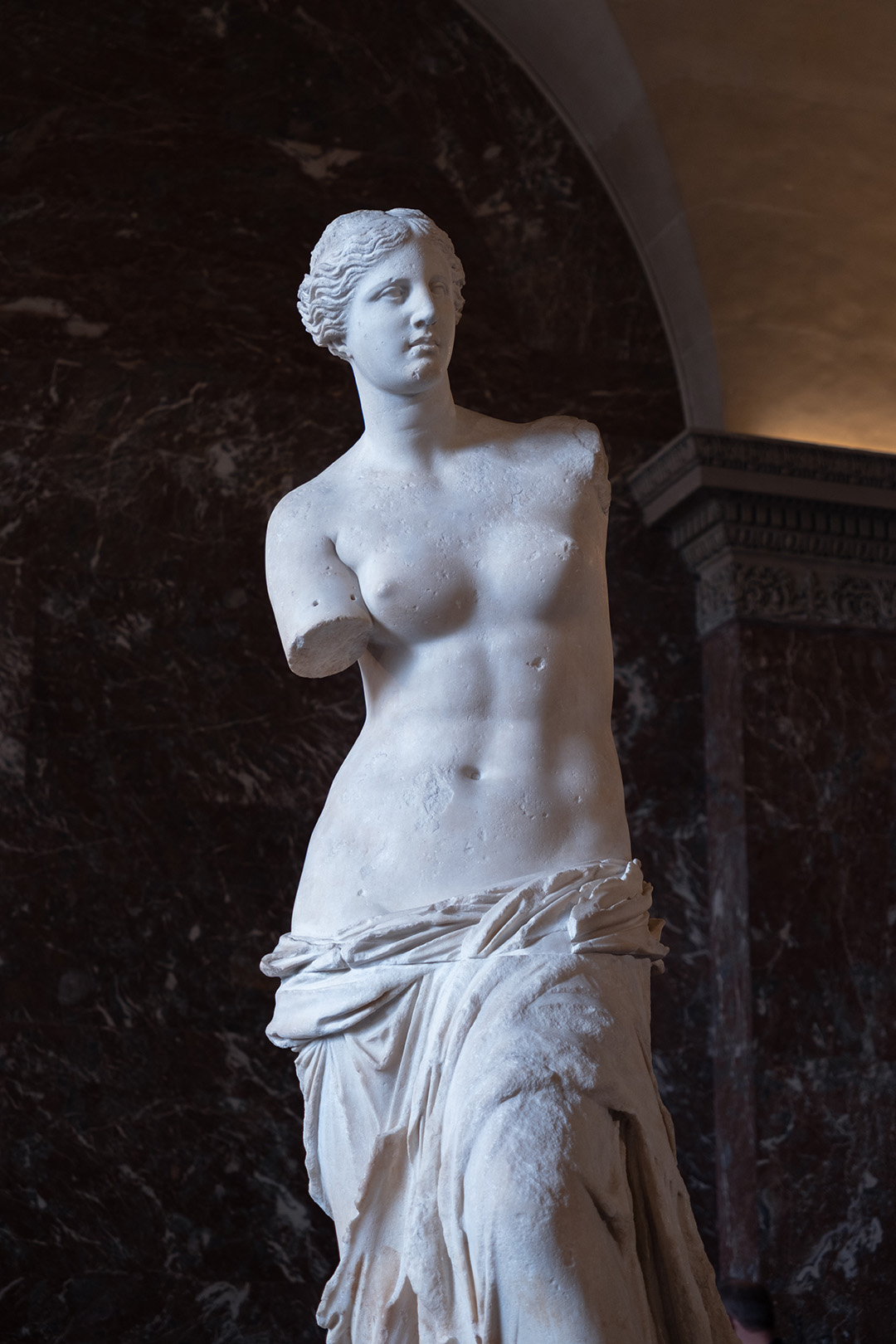
With the sculptures you have a better chance. The Venus de Milo, a two-thousand-year-old statue of timeless beauty. The work is rougher than I had imagined. In the same room you find sculpture of far greater refinement, and yet: nothing compares to the Venus.
II.
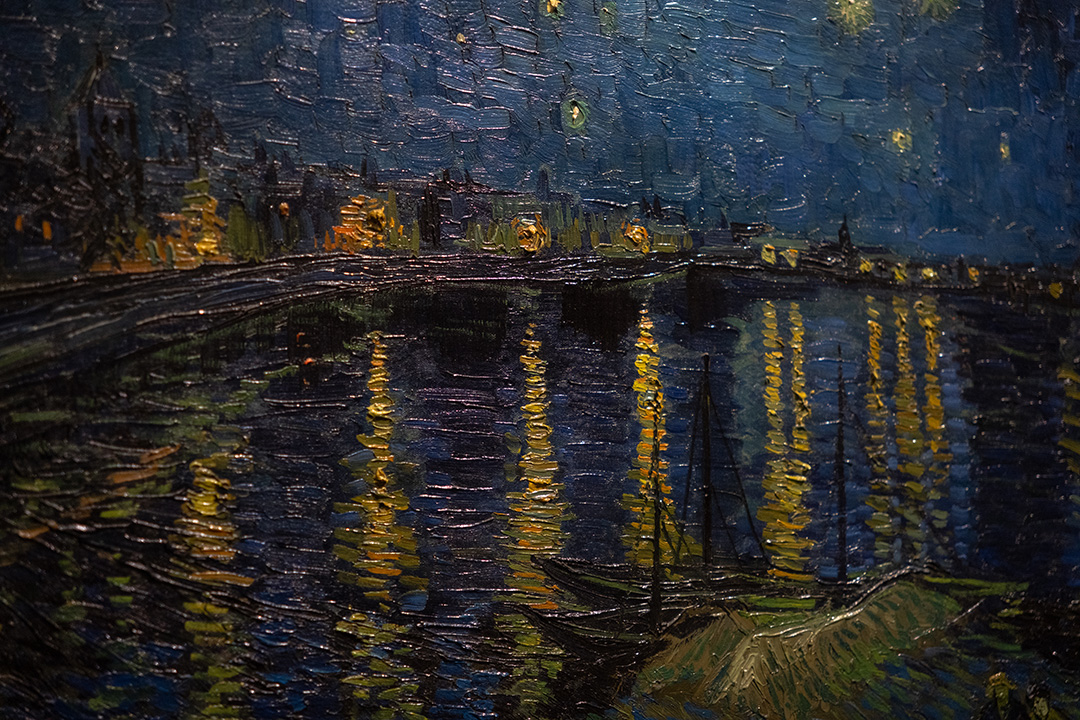
It is considerably quieter in the Musée d’Orsay — until you reach the fifth floor, where highlights by Vincent van Gogh, Claude Monet and Paul Gauguin, among others, are on display. But even then you can look at the paintings comfortably, and from close up you can see how thickly Van Gogh applied the blobs of oil paint that make up the magnificent Starry Night over the Rhône.
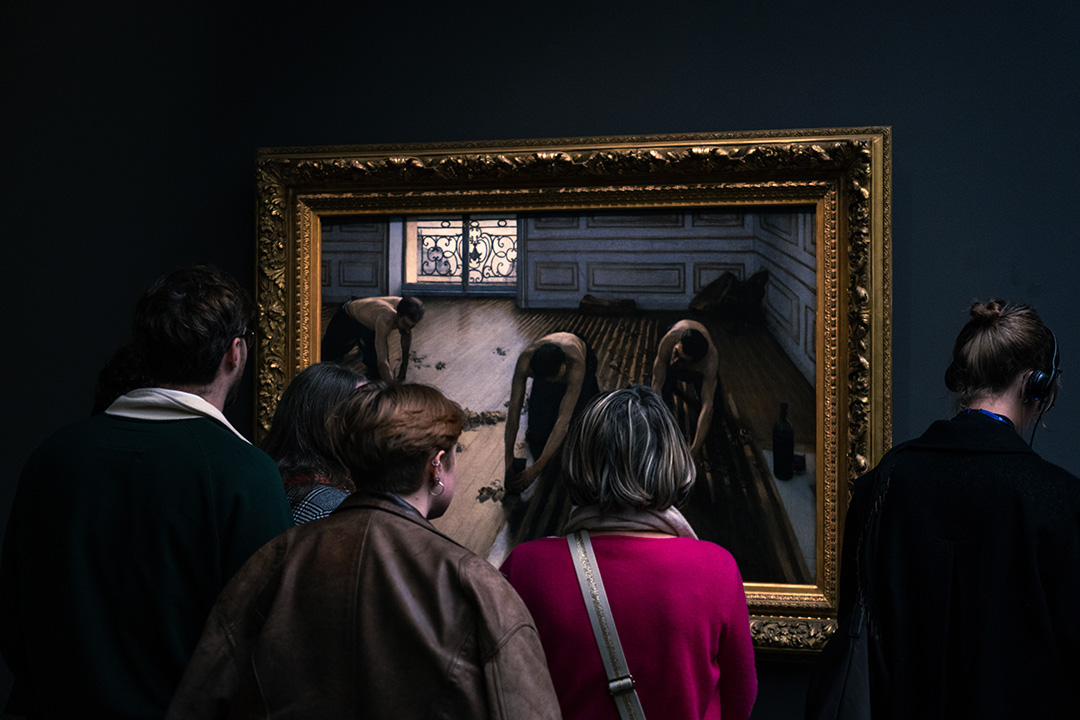
I was far less familiar with the work of Gustave Caillebotte, but I won’t forget that name now. In his La Partie de bateau a man is depicted in a rowing boat and, thanks to the modern (we’re talking 1877–1878 here) perspective, it feels as if you are right there with him. Or as if the painter took a photo with his phone. Another extraordinary work by Caillebotte: Les raboteurs de parquet.

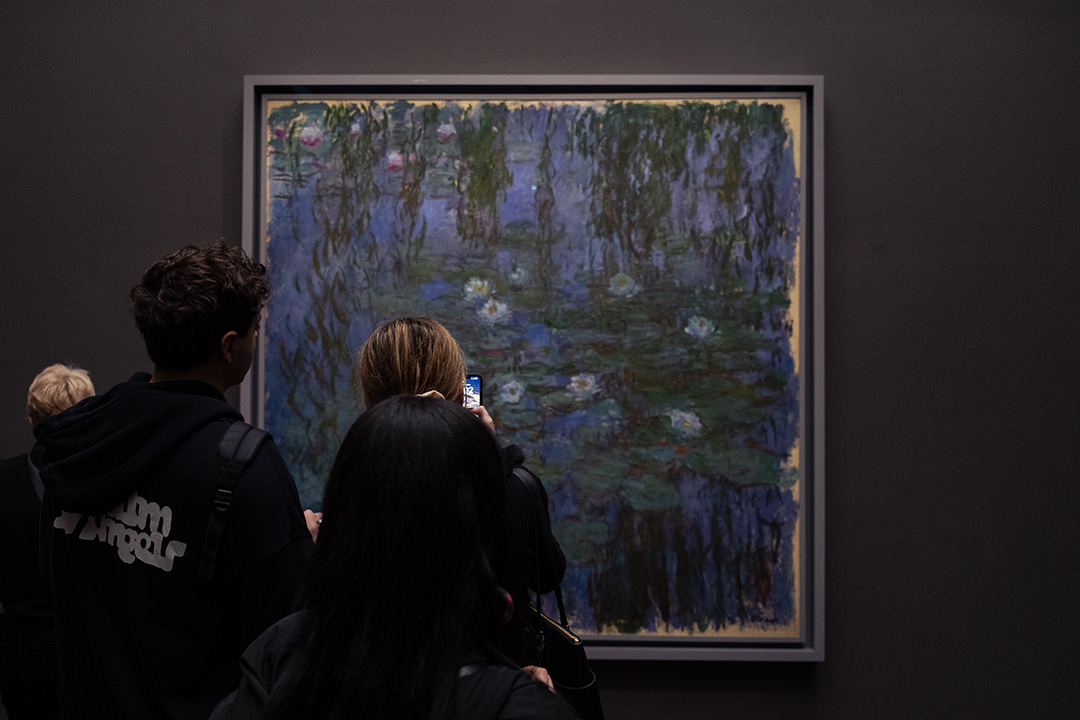
There is plenty of Monet. For instance: Essai de figure en plein-air: Femme à l’ombrelle tournée vers la gauche. It immediately brings to mind images from the Ghibli film The Wind Rises. But the most beautiful Monet painting in the Musée d’Orsay is Nymphéas bleus. The blue water lilies. Painted in his old age. Loose brushwork. Every stroke hits the mark.
III.
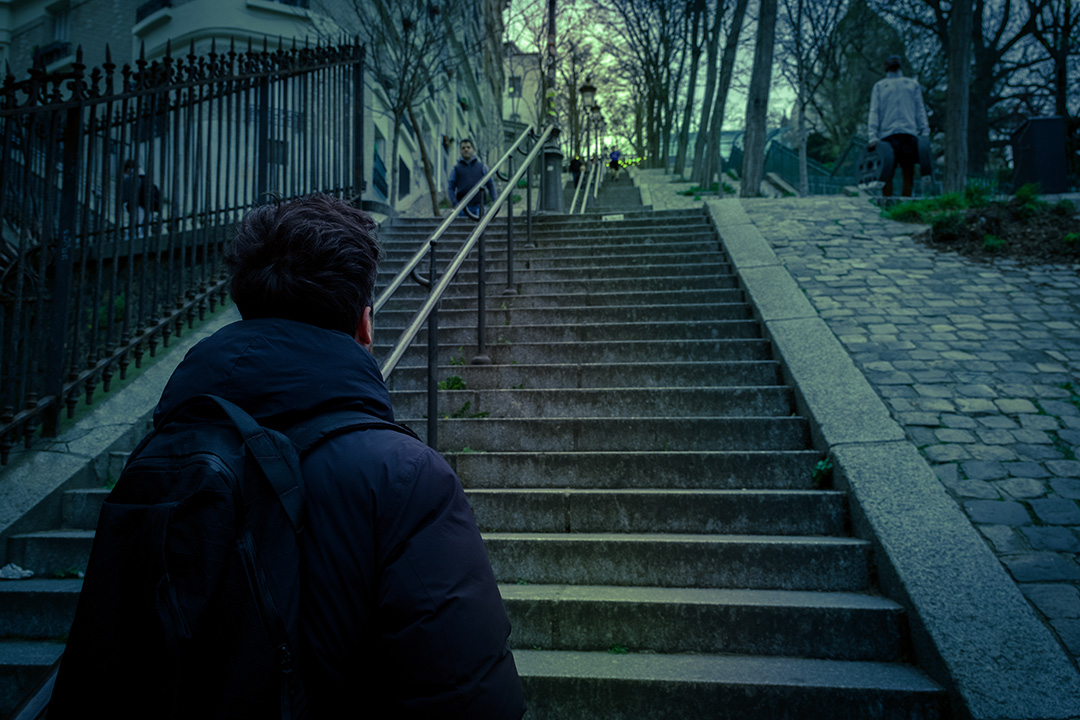
The Sacré-Cœur basilica. Fine. An imposing building, of course. And those broad steps in front of it, with views over a large part of Paris — although you can just barely not see the Eiffel Tower. The little square nearby in the artists’ quarter of Montmartre is actually more enjoyable, where painters sit side by side behind their easels, brushes in hand. A lovely sight.
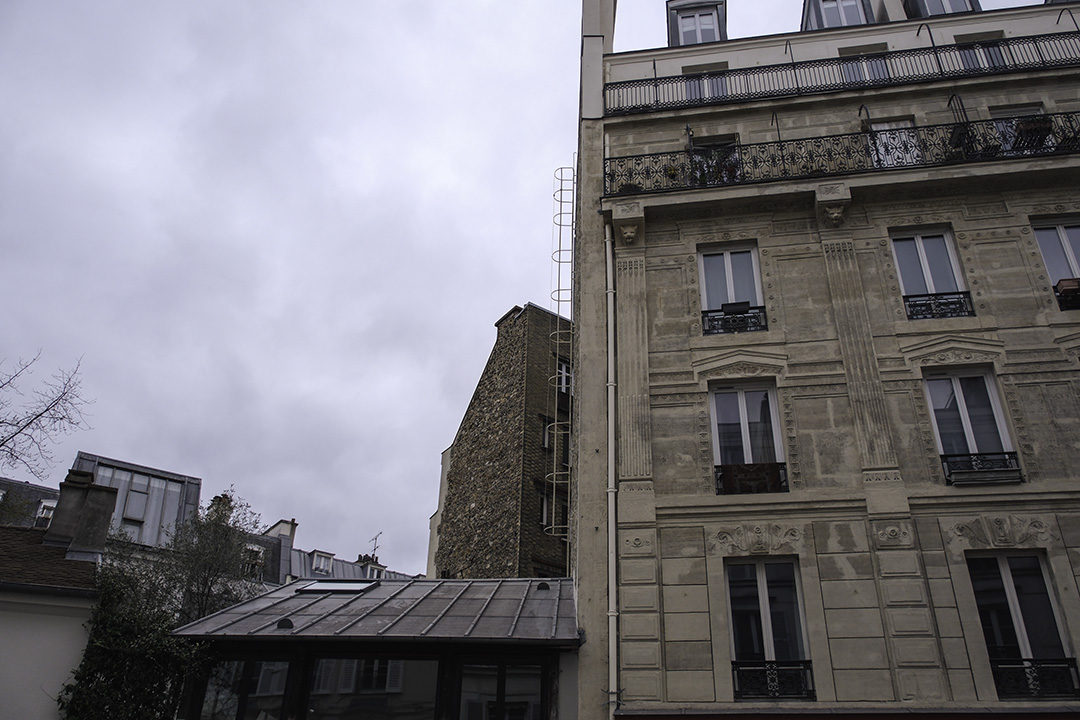
A little further along, Vincent van Gogh once lived with his brother Theo. At 54 Rue Lepic, to be precise. I walked past. Well, what can you see? A blue door and a plaque on the wall bearing the name Vincent van Gogh. He painted View of the Rooftops of Paris here, among other works, from the window of his apartment. Standing on the pavement below, you recognise the building on the right side of the painting.
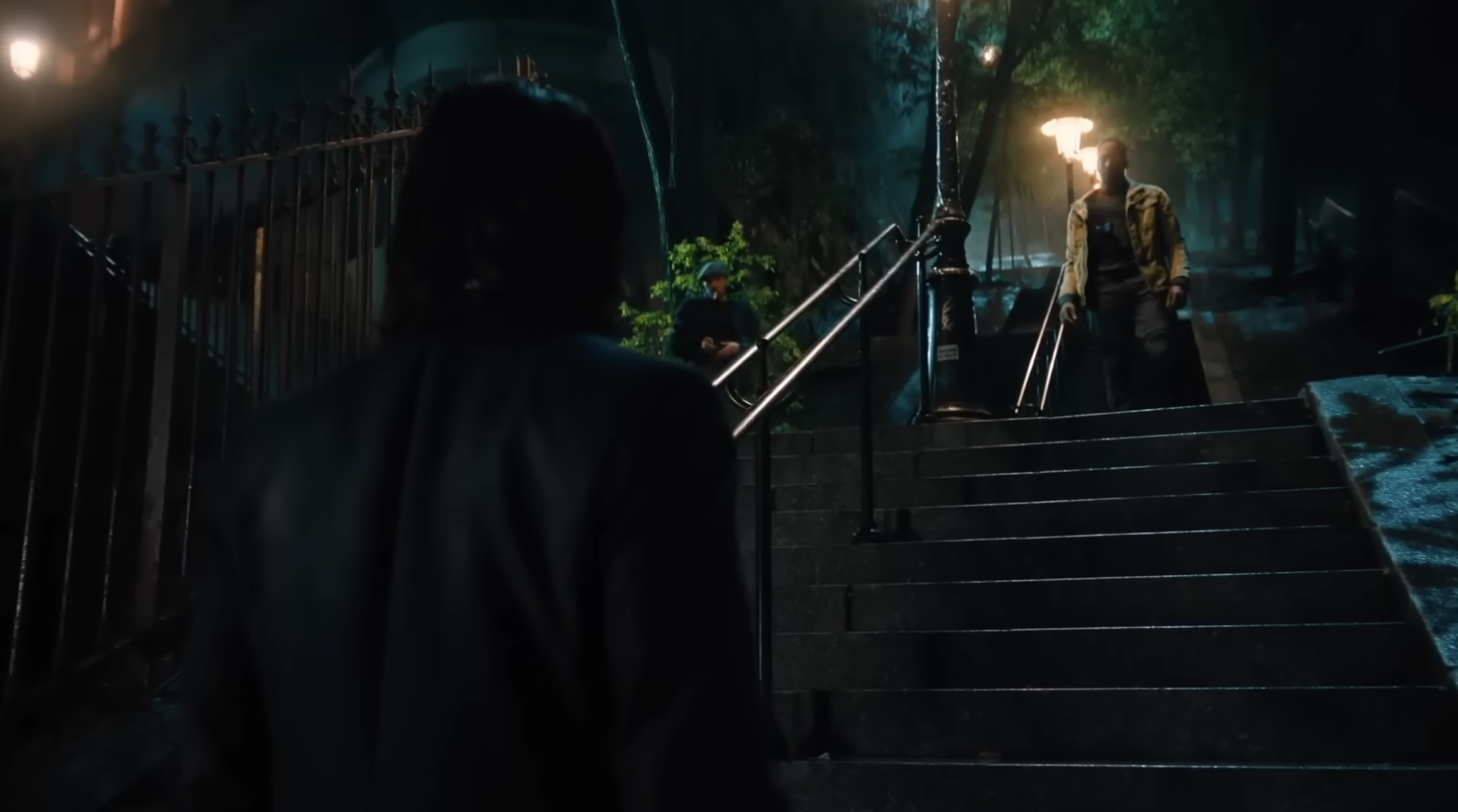
And then there is that other artist: Keanu Reeves. He filmed important scenes for John Wick 4 in Montmartre near the Sacré-Cœur. On the long narrow staircase up to the top of the hill, a fight scene plays out that lasts something like ten minutes. It is one of the highlights of the film. John Wick takes out one enemy after another and tumbles down the steps so many times it becomes comical.
IV.
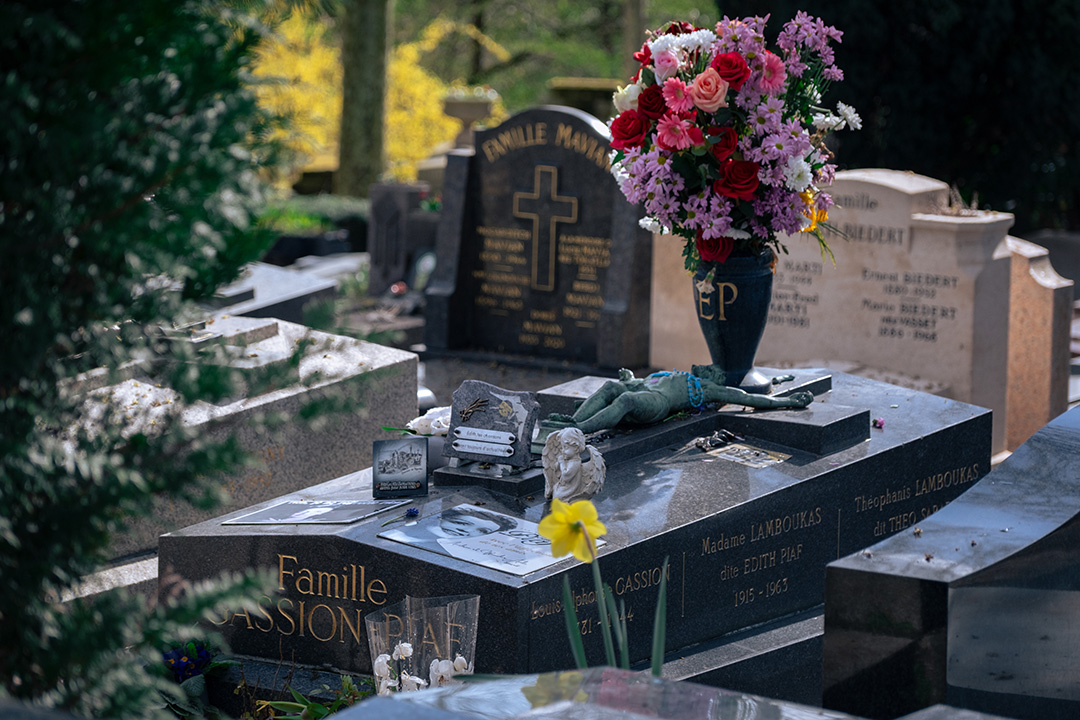
The Père-Lachaise cemetery is a remarkable place. Thousands of graves lie here, many of them centuries old. Writer Oscar Wilde is buried beneath a sleek monument that looks like a cross between an angel and a sphinx. Further along lies Edith Piaf. A well-maintained stone, a large cross with Jesus on it. A few photos, a fresh bunch of flowers in a vase.
How different the grave of Jim Morrison, singer of The Doors. As a teenager I listened to the band rather obsessively — especially the debut album The Doors, which is unparalleled. You put it on and can’t turn it off afterwards. You simply have to accept it: that one goes on repeat for the whole day.
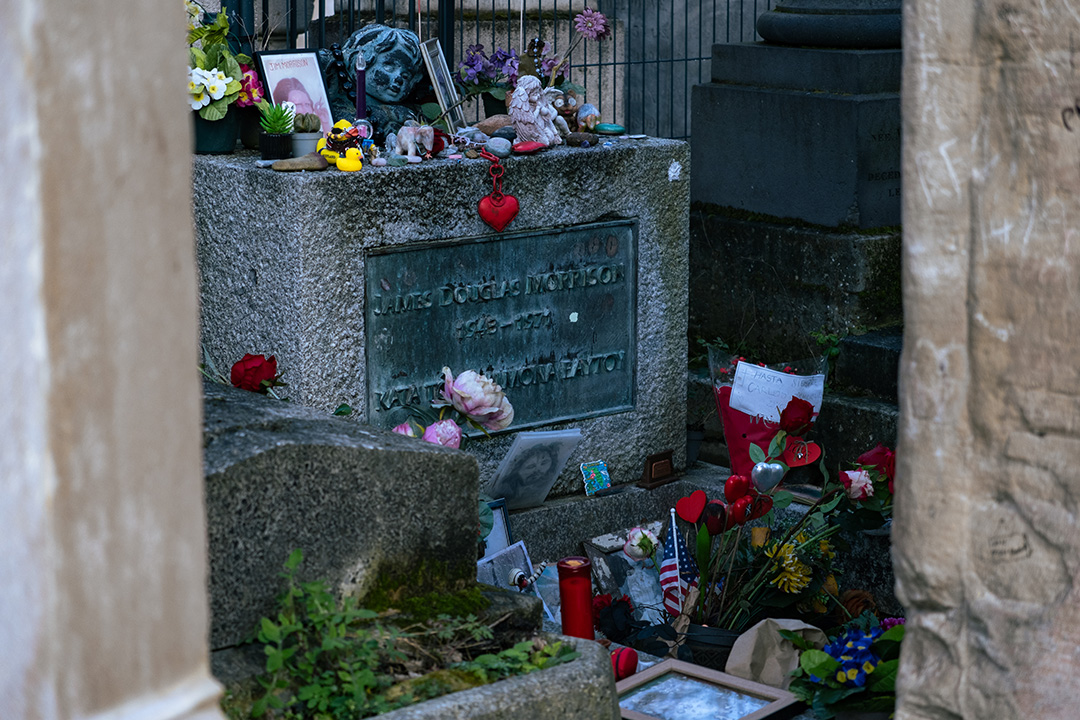
Morrison is buried at Père-Lachaise. Crowd barriers have been placed in front of his grave, which is already somewhat inconveniently situated behind someone else’s tomb. No idea whose. That is the tragic fate of being buried in front of Mr Mojo Risin — your grave becomes nothing more than an obstacle.
The grave of Morrison fills me with sadness. I suddenly realise that a 27-year-old talent is buried here, who still receives visitors every single day, 55 years later. He lies in a neglected grave. Poorly maintained. In 1988 a stone bust that stood on the grave was stolen¹. There is now a weathered angel. People climb over the barriers, because the grave is strewn with photos and flowers.
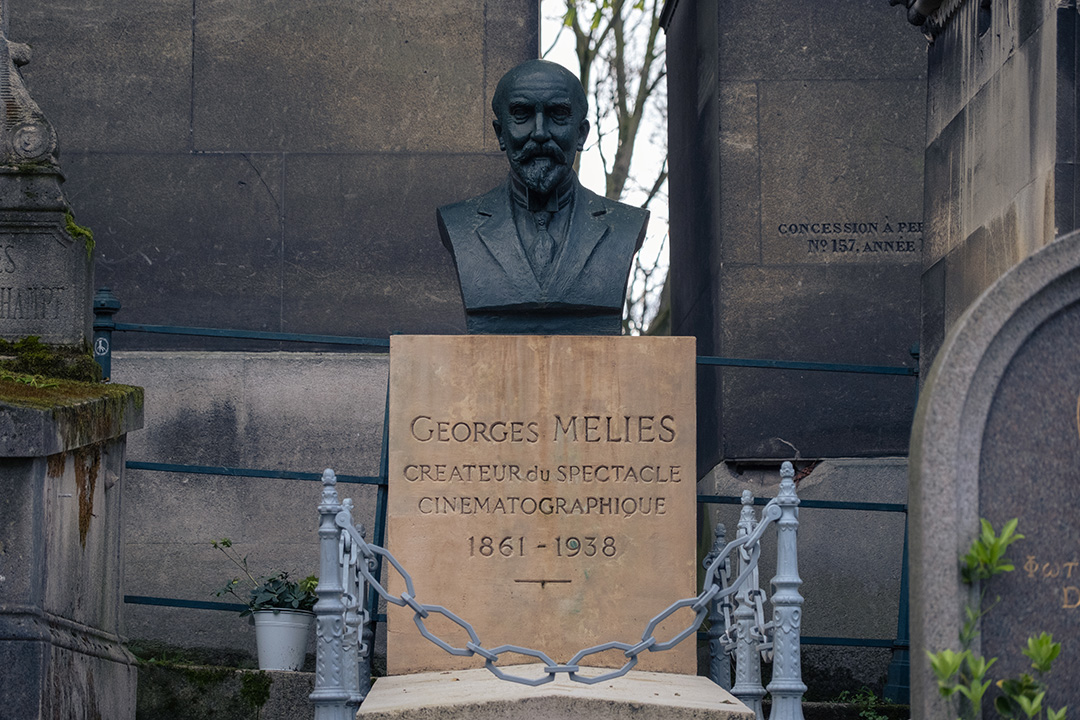
Heading towards the exit of the cemetery, I walk past the spot where Georges Méliès lies. No flowers and crowds here — instead, a modest bronze statue of the French film pioneer. On the gravestone, alongside his name and dates, stand the magnificent words: Createur du Spectacle Cinematographique.
You just read blog №157, written in the week of 9 to 15 March 2026. Subscribe to my newsletter and receive it in your inbox every Sunday for free.