
182. Men Build Castles
I.
Jon Ronson wrote books like The Psychopath Test and The Men Who Stare at Goats. In 2015 came So You’ve Been Publicly Shamed, a brilliant book about how people get destroyed on the internet. The British journalist has a lot in common with Louis Theroux. Both are drawn to absurdity, after which they try to work out what human being is hiding behind it.
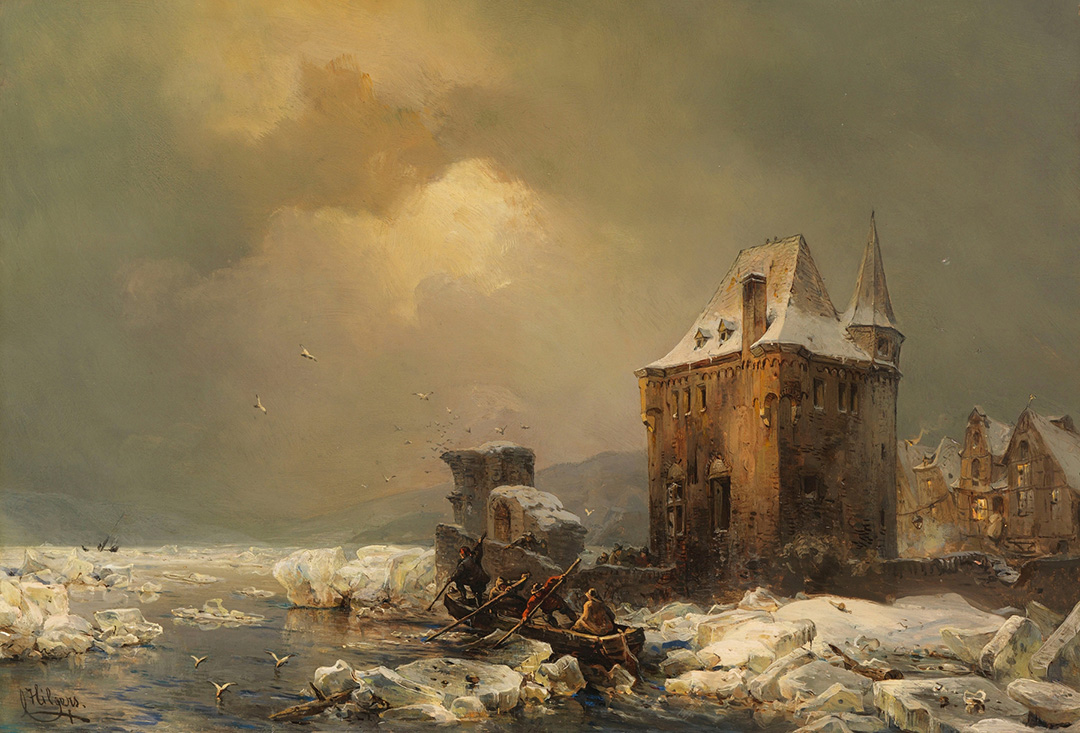
Ronson’s new book (his first in eleven years) is called The Castle. It opens with a message from his son Joel, which Ronson opens the moment he wakes up. Attached: a photo of a castle.
‘I honestly have no clue what is going on, read Joel’s second text. ‘This is very weird.’ And then his final text: We left. Was completely fucked. All good now.’
Joel and a few friends had been invited to a party by the lord of the castle. But when they arrived, it turned out there was no party. The obscenely wealthy castle owner, Chris Mark, had actually invited the young men to take part in a reality show of his own invention.
In the first part of The Castle you read how Ronson decides to go to the castle to get to the bottom of things. From there, he (and you as a reader) tumble from one astonishment into the next. Mark turns out to lure all sorts of women to his house so he can live there like some Hugh Hefner figure.
After one meeting, Mark suddenly bombards Ronson with dozens of messages. Their tone grows steadily more threatening. Until the moment he mentions, almost casually, that he has two security guards — convicted murderers, as it happens — who could easily stop by.
Ronson’s visit to the castle is the starting shot for figuring out why men with money and power lose control. He writes, for instance, about a YouTuber who became known for gardening videos, until he noticed he could draw a much bigger audience with increasingly outrageous videos of his kids. Disgraced actor Armie Hammer also makes a brief appearance.
There’s no definitive answer to the question why. But it does become clear how some men dig their own graves, while others seem to get away with everything. That last group is the most dangerous. They lock themselves away in their own castle, where they try to shape their own little kingdom.
II.
I’ve played a fair few Resident Evil games, but I’ve never dared touch the (poorly reviewed) films. The newest Resident Evil film, now playing in cinemas, was made by Zach Cregger. Well, finally a reason to go, since he previously made horror hits Barbarian and Weapons.
The new Resident Evil film is a horror comedy. It starts with courier Bryan, who has to drive to a remote mountain town to deliver an important hospital bag. It’s urgent. There might be a kidney or a heart in there. Bryan could save lives. Winter tyres or not, he tears through the snow in the dark towards his destination.
And then, in the middle of nowhere, a woman suddenly steps out of the woods and crosses the road. Bam. Onto the hood. The courier decides to bring the woman along, even though something is clearly wrong with her. And not just because she’s been hit by a car.
From that moment on, crazy things start happening. Bryan runs into a dog spitting tentacles and a farmer who attacks him foaming at the mouth. Slowly it gets worse and worse, grosser and grosser. Because Cregger isn’t afraid to pack his film with plenty of body horror. Our protagonist mostly says things like: “What the fuck?!” — and you can hardly blame him.
Resident Evil is a straightforward horror film that doesn’t reinvent anything, but it works. I especially enjoyed the game references and logic. Bryan keeps running into locks he doesn’t have the key for (just like in the Resident Evil games) and is constantly hunting for weapons and ammo. There’s even a typewriter sitting in one room (in the games, that’s where you save).
The courier also moves through the story like a gamer, which incidentally takes him from start to finish in real time through a kind of level structure. One moment Bryan is scared out of his wits in a dark little corridor, but the second he happens to shoot a monster through the head, the swagger comes right back. The feeling of playing Resident Evil is captured well here, though there’s more to laugh about. Plenty to enjoy, then — a solid start to the Halloween season.
PS.
Dan Sinker writes about how broken social media platforms are:
Mostly, it seems, we yell. We yell about the world, we yell about the *other* social sites, we yell about news stories we didn’t read, we yell about whatever sucker was unlucky enough to be that day’s main character, and we yell, mostly, at each other. We yell because we are mad *at all of this*. And we yell because we’re all trapped in a machine that was built, in part, to keep us yelling.
His idea: what if we just stopped?
We need to slow down, say the people building AI systems, because we’re moving too fast. Ezra Klein responds in The New York Times:
The language that’s taken hold in both Silicon Valley and Washington is a phrase these companies chose: Pace the frontier. But pacing the frontier isn’t enough. Walking quickly off a cliff is only marginally better than sprinting off one.
The ever-excellent Thomas Heerma van Voss also weighs in on AI. He read a remark by Alexander Klöpping claiming that before long you’ll be considered lazy if you don’t use AI to write. That’s a frame you’re welcome to buy into, but I’d rather go with Heerma van Voss’s words:
“After my visit to [A.F.Th.] Van der Heijden, I reread some of his novels, and time and again I ran into what I call the miracle of good writing: that in a story you can temporarily become someone else, and see yourself reflected back.
And also: that through writing, but also through reading, you enter a story whose ending you don’t yet know — how it’s put together, how it all turns out.”
Brad Pitt is returning as Cliff Booth, the stuntman from Once Upon a Time in Hollywood. The script was written by Quentin Tarantino and directing duties went to David Fincher. Very curious about this one.